Coral Gardens the Best Reef Snorkeling in San Pedro
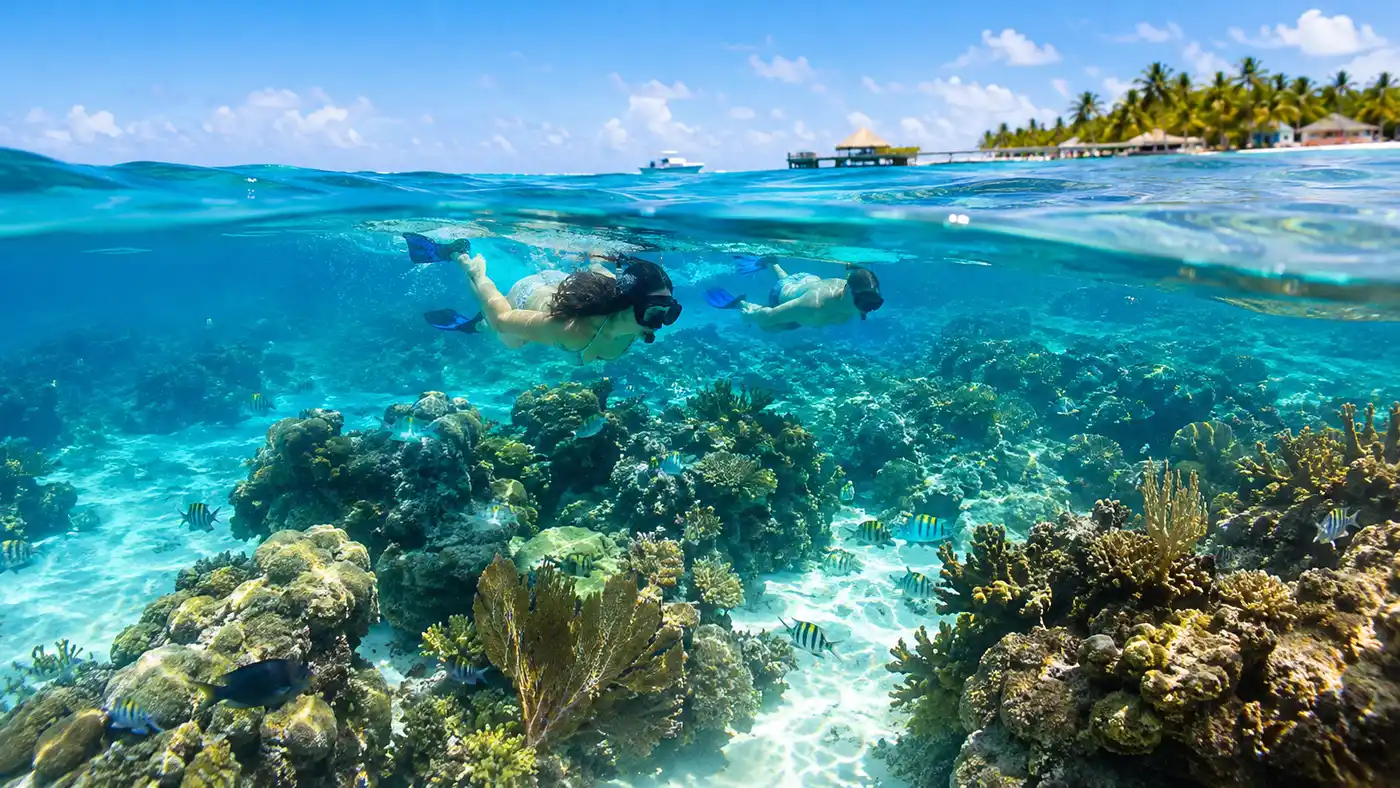
Most people who visit Ambergris Caye rush straight toward the marine reserve cut south of town, hoping to get swarmed by nurse sharks. If you care more about actual living marine architecture than chummed water, coral gardens belize offers a completely different kind of day. The site sits along the inner ridge of the barrier reef, where giant mounds of brain coral and sprawling elkhorn thickets build an underwater labyrinth that feels untouched by the cruise ship crowds.
The water here is shallow, clear, and usually sheltered from the heavy ocean swells pounding the outer drop-off. You float over vibrant patches of purple sea fans swaying in sync with the Caribbean surge, drifting past schools of blue tangs that graze across the limestone. This guide breaks down what makes this stretch of reef unique, how to plan your excursion, what marine life actually shows up, and how it measures up against the other famous spots around Ambergris Caye.
Book your snorkeling san pedro belize experience:
What Makes Coral Gardens Belize Different from Hol Chan
Hol Chan Marine Reserve gets the lion's share of island marketing. It has high drama, a deep channel, and strict park ranger patrols that keep boats tightly managed. It also gets crowded fast. On a busy Tuesday morning you might find thirty snorkelers kicking each other in the face while trying to look at a single resting sea turtle. Coral Gardens provides room to breathe. The reef structure here spreads across a much wider shelf, meaning boat captains can drop anchor hundreds of yards apart without clustering.
The focus here is firmly on the health and density of the coral itself. While other spots boast pelagics and big predators drawn in by guides tossing fish scraps, this section of the san pedro barrier reef preserves delicate structural colonies. Huge mountainous star corals rise toward the surface, some reaching twelve feet across. These formations took centuries to grow. They create complex hiding spots for juvenile fish, lobsters, and reef crabs that cannot survive in the bare sand flats.
The current behaves differently here too. In the main cuts along the reef, tidal flow can pull you hard toward the open ocean when the tide turns. At this site, the barrier reef crest absorbs the brunt of the Atlantic rollers. You get a mild, predictable drift that lets even nervous swimmers relax without gripping a guide's life ring the whole afternoon.
If you want to understand how the reef changes as you move along the island, taking a comparison San Pedro vs Caye Caulker snorkeling trip helps put the whole ecosystem into perspective. Different sections host entirely different underwater micro-climates, and Coral Gardens represents the gentle garden side of that spectrum.
| Snorkel Site | Average Depth | Current Strength | Primary Highlight | Crowd Level |
|---|---|---|---|---|
| Coral Gardens | 8 to 14 feet | Mild to moderate | Staghorn, brain coral, vibrant reef health | Low to moderate |
| Hol Chan Cut | 15 to 30 feet | Strong (tidal) | Large schools of jacks, turtles, deep channel | Heavy |
| Mexico Rocks | 6 to 12 feet | Very light | Boulder corals, juvenile conch, nurse sharks | Moderate |
Note: East winds above 15 knots make the shallow reef surface choppy, which reduces underwater visibility and makes swimming more tiring than usual.
Navigating the San Pedro Reef at Coral Gardens
Reaching the site takes roughly twenty minutes by boat from the central beachfront of San Pedro. You run south inside the lagoon-like waters behind the reef, passing private docks, small resorts, and patches of turtle grass before your captain veers toward the white water line. That white line marks where the open sea breaks against the barrier. You do not go outside into the blue abyss. Instead, the boat ties off to a mooring buoy set safely inside the inner lagoon.
Water clarity changes with the tides. When the tide is incoming, clean ocean water washes over the coral barrier, pushing visibility up past 70 feet on calm days. Outgoing tides carry organic matter from the shallow flats, dropping clarity slightly to maybe 45 feet. Honestly, even on a cloudy day, the colors hold up well because the reef ceiling sits so close to your mask.
I think the best coral formations are concentrated along the small ridges running perpendicular to the reef wall. These fingers of rock create shaded valleys where spotted drum fish twist in tight circles and green morays tuck their heads into deep crevices. If you follow a local guide who knows the topography, they will point out minuscule flamingo tongue snails clinging to purple sea rods, tiny details you would easily swim right over if you were just looking for big sharks.
Many visitors choose to book through reputable local dive centers like coral divers belize or independent skippers operating off the town docks. The local boat operators know every individual coral head. They know which hollow ledge reliably shelters an octopus and where a three-foot barracuda likes to loiter in the shadows under the boat hull.
Marine Life You Will Actually Encounter
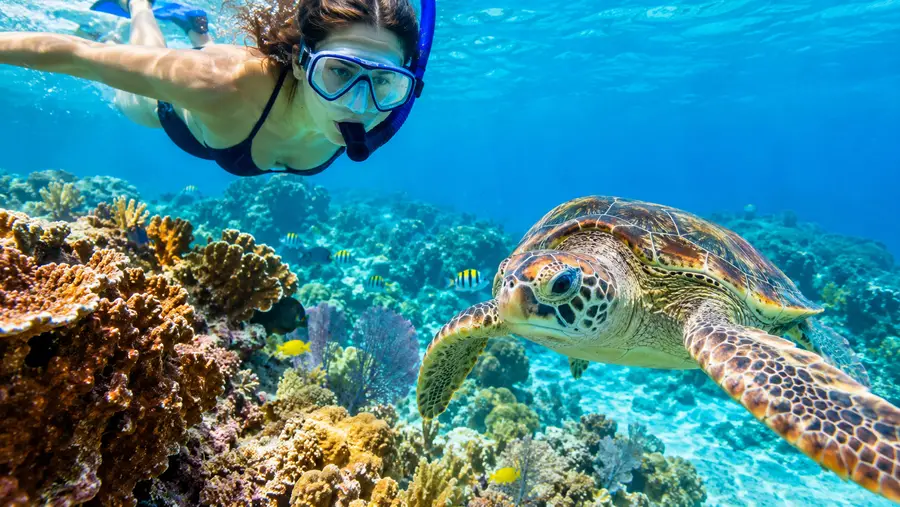
Do not expect guaranteed sightings of forty rays swirling in circles here like you see on social media feeds from Shark Ray Alley. What you get instead is authentic wildlife behavior. You watch fish living their normal daily lives rather than waiting around for bait handouts from tour operators.
Parrotfish rule this section of the reef. You will hear them before you see them. Put your head underwater, stay still, and listen closely. You will hear an audible scraping sound that resembles someone scratching chalk against stone. That is a stoplight parrotfish using its hardened beak to chisel algae directly off old coral boulders. These chunky fish chew through limestone all day long, eventually excreting the pristine white sand that forms Belize's world-famous beaches.
Southern stingrays cruise through the sandy alleys between the coral mounds. They flap along the bottom like flying carpets, stirring up plumes of sediment as they hunt for bivalves and small crustaceans hiding in the mud. Every now and then, a spotted eagle ray glides through in mid-water. Their pointed snouts, speckled backs, and extremely long tails make them look far more majestic than the common bottom-feeders.
Angelfish are nearly everywhere at this site. Both French angelfish and gray angelfish swim in monogamous pairs, nonchalantly nibbling on marine sponges. They have almost no fear of quiet snorkelers. If you float without splashing your fins frantically, they will wander within inches of your mask glass, checking their reflection.
Pro tip: Avoid kicking your fins near the sandy bottom because stirred sediment takes twenty minutes to settle in the calm water and ruins photo opportunities for everyone behind you.
Book your snorkeling san pedro belize experience:
How to Book and Prepare for Coral Gardens Snorkeling
Tours heading to this part of the reef are usually organized as half-day trips. Most local operators bundle the spot with a quick stop at an adjacent reef cut or a picnic lunch on the beach. Prices typically run around $55 per person for a group excursion, which usually covers your marine park wristband, water, sliced watermelon, and your basic mask and snorkel.
If you prefer a private boat, expect to pay between $275 and $350 for four people. That might sound steep at first glance. Being able to tell the captain when to pull anchor and leave before another boat arrives makes every penny worth it. You get the entire reef garden to yourself, quiet and peaceful.
- Morning departures: aim for an 8:30 AM departure to catch the calmest sea surface before afternoon breezes pick up.
- Gear check: test your mask seal at the dock before leaving, as dealing with a leaking mask over deep water quickly ruins the outing.
- Reef etiquette: keep your hands to yourself and never stand on coral mounds, even if they look like dead limestone rock.
- Sun coverage: wear a long-sleeve UV rash guard instead of lathering yourself in oils that damage coral polyps.
A good captain will assess the day's wind before heading out. If an unusual northern wind is blowing, the inner reef can get murky. Experienced guides will adjust the route, maybe steering toward protected alternatives like Mexico Rocks the quietest snorkel spot in San Pedro where patch reefs stay sheltered even during awkward winter fronts.
Combining Coral Gardens with Other Stops
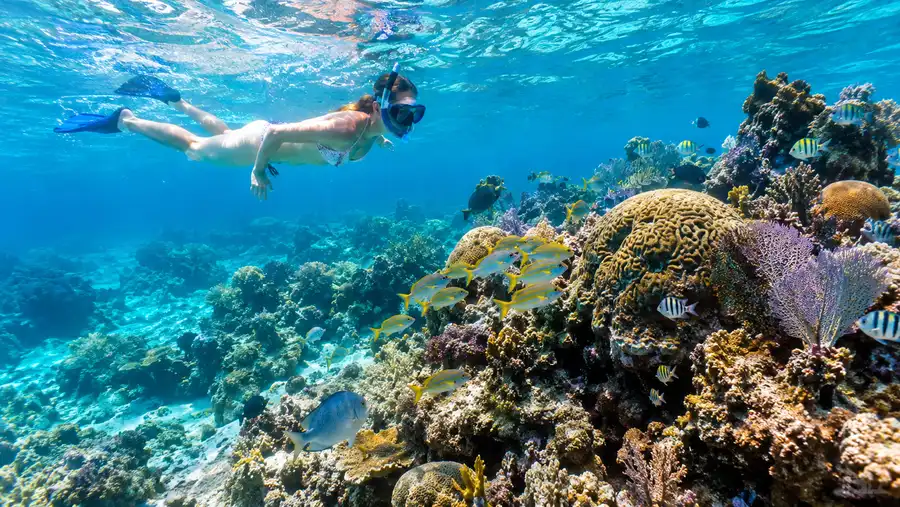
Most half-day boat tours do not drop anchor at a single reef head and call it a day. The common itinerary leaves San Pedro, hits the deep marine reserve at Hol Chan Shark Ray Alley San Pedros top snorkel spots for fifty minutes, and then glides north toward the tranquil shallows of Coral Gardens so travelers can catch their breath in easy water.
Another popular option links this reef stop with a cruise down to Caye Caulker. The neighboring island moves at half the pace of Ambergris Caye, with sandy streets and golf carts moving at crawl speeds. After an hour drifting above elkhorn corals, drying off on the boat deck while cruising south toward the Split for a fresh lobster burrito and an icy Belikin beer makes for an incredible day. The boat ride between the two islands takes about thirty-five minutes across shallow turquoise water.
Packing for this combined trip requires a tiny bit of thought. You are on an open center-console boat exposed to the sun and occasional sea spray, so bringing heavy backpacks is a mistake.
- Dry bag: bring a small 10-liter waterproof bag for your phone, cash, and dry clothes.
- Windbreaker: throw in a light wind-resistant layer because the boat ride back into the wind can feel surprisingly cold once you are soaked.
- Cash for island stops: take around $40 in cash for snacks, dock fees, or island tips, since small beach bars often levy steep card fees.
- Anti-fog drops: pack a small bottle of baby shampoo or reef-friendly defogger to keep your view crisp throughout multiple water entries.
Snorkeling all morning builds up a fierce appetite. Coming back through the reef cuts, the boat passes mangrove flats where ospreys nest on high wooden markers. It is a slow, easy way to spend four hours, giving you a comprehensive view of the barrier ecosystem from the deep cuts all the way into the coastal shallows.
Frequently Asked Questions about coral gardens belize
How deep is the water at Coral Gardens?
The site generally ranges from 8 to 14 feet deep. In several spots, the tops of the tallest brain coral heads rise to within three or four feet of the surface, allowing you to examine fine details without needing to free dive.
Can complete beginners snorkel at this location safely?
Yes. The barrier reef absorbs the heavier ocean breakers, making the water inside the lagoon relatively calm. Most tour guides provide flotation belts or life jackets, and the mild currents make it very manageable for first-timers.
Is Coral Gardens better than Mexico Rocks?
Both are phenomenal patch reef systems. Mexico Rocks is located farther north and is known for massive boulder corals in very shallow, pool-like water, while Coral Gardens features a greater variety of branching elkhorn corals and slightly more fish movement.
Quick Reference
- 20-minute boat ride from San Pedro
- Depth ranges from 8 to 14 feet
- Cost averages around $55 per person
- Best visited during morning incoming tides
Book your snorkeling san pedro belize experience:
Is It Worth It?
If you have already swum with the nurse sharks or simply prefer observing a healthy marine habitat without a dozen boats running engines nearby, Coral Gardens delivers exactly what Ambergris Caye promises. The sheer density of living coral formations combined with calm swimming conditions makes it one of the most rewarding stops on the barrier reef. Talk to a boat captain along the town beachfront, pick a clear morning with light winds, and go see what genuine Caribbean reef life looks like when it is left alone.
Read more about snorkeling san pedro belize.