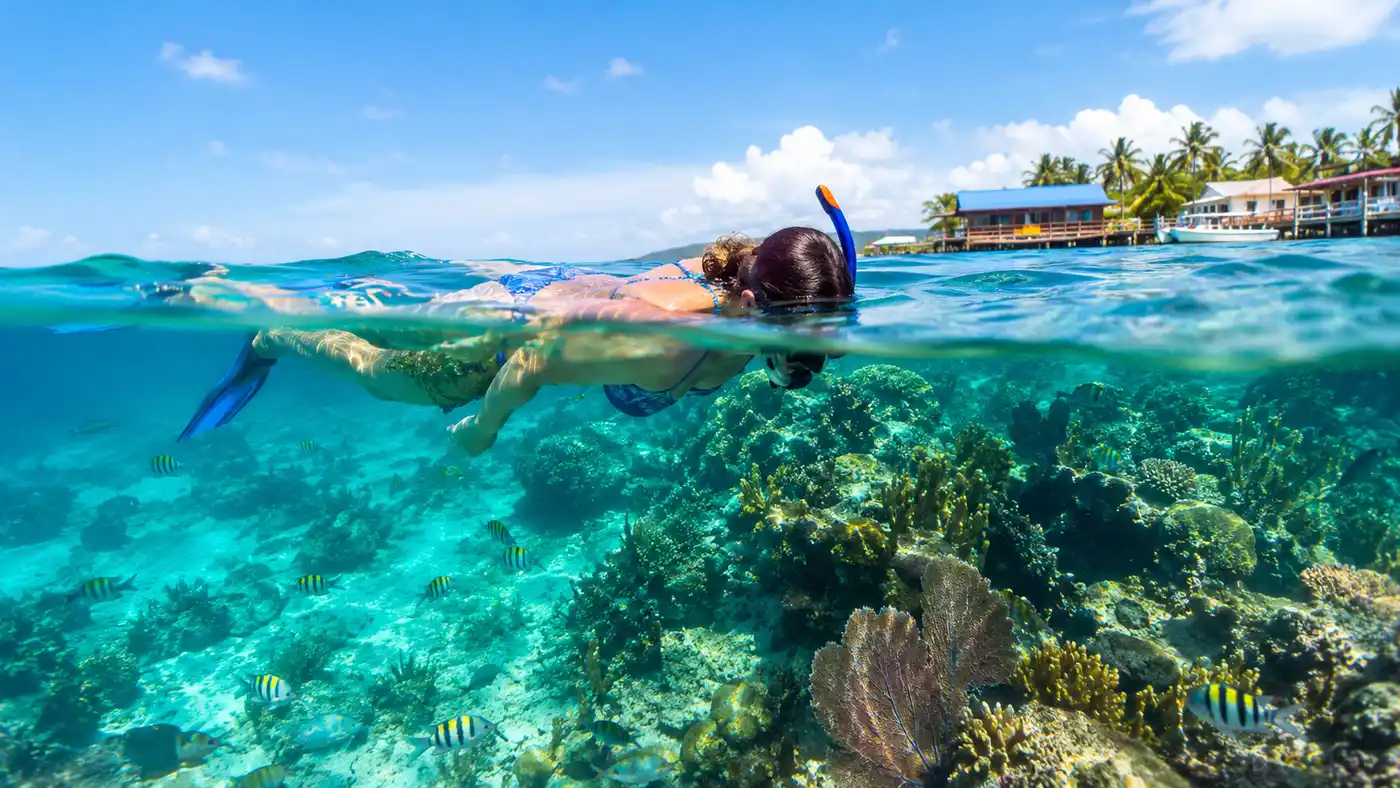
Eco Friendly Snorkeling Best Sustainable Tours
I watched an outboard boat idle over a patch of elkhorn coral off Ambergris Caye three years ago, its twin two-stroke engines coughing gray exhaust straight into the water while 14 tourists jumped in wearing neon flippers. Half of them stood directly on the reef within five minutes. If you spend enough time around tropical reefs, you see this stuff constantly. Choosing eco-friendly snorkeling is not just about feeling virtuous on vacation, because fragile barrier systems across the globe are already fighting warming waters, and sloppy boat operators speed up the destruction.
Finding genuine green excursions takes a bit of work. Plenty of tour desks in seaside towns slap a leafy green sticker on their kiosk window and call themselves eco friendly tours while chumming water with canned sardines to guarantee stingray selfies. This guide breaks down what genuine low-impact operations look like, how to pack an eco friendly snorkel set without buying cheap throwaway plastic, and what questions you should ask captains before handing over your credit card.
Book your snorkeling san pedro belize experience:
What Sets Eco-Friendly Snorkel Tours Apart From the Rest
The difference between a commercial cattle-boat and a truly conscious outfit usually comes down to three things: group size, engine maintenance, and how the guides act in the water. A massive catamaran hauling 45 people with an open rum bar might be fun, but forty pairs of fins thrashing over shallow brain coral creates an underwater dust storm. Silt settles right on the polyps and smothers them. Small groups - capped at six or eight guests - allow a boat captain to monitor everyone easily.
Mooring buoys tell you almost everything you need to know about an operator. Dropping a metal anchor into a reef shelf can pulverize 50 years of slow coral growth in two seconds. Sustainable tours strictly use fixed moorings installed by local marine reserves, or they drift along the outer wall with the boat tracking from deep water. If a boat captain pulls out a claw anchor and tosses it toward a patch of living rock, speak up immediately.
Note: Some captains will drop an anchor onto sand beds right next to the reef. While better than hitting coral, strong tidal currents can drag the heavy chain across delicate sea fans, so dedicated mooring buoys are always the safest option.
Then there is the guide-to-guest ratio. On responsible outings, the guide enters the water alongside you. They do not just sit under a canvas canopy smoking while you float away. A good naturalist swims ahead, flags changing tides, gently corrects someone whose kicking technique is kicking up sand, and points out spotted eagle rays hiding in the turtle grass.
How Boat Operations Impact Marine Reserves
Boats themselves are often the dirtiest part of an excursion. Many developing reef destinations rely on old, carbureted two-stroke outboards that discharge unburned fuel directly into shallow bays. Cleaner operations invest in modern four-stroke outboards or even electric propulsion systems. Snorkeling with renewable power alternatives is slowly gaining traction in places with quiet lagoons, though standard clean marine diesel or clean four-strokes remain the realistic baseline for offshore barrier trips.
Wildlife feeding is another massive red flag. Tour operators love chumming because it concentrates nurse sharks, stingrays, and yellowtail snappers right by the boarding ladder for guaranteed tourist photos. Honestly, feeding wild marine animals ruins their natural foraging cycles and makes them aggressive toward humans. Over time, fish forget how to graze on the algae that otherwise smothers coral reefs. When an excursion advertises guaranteed wildlife swarms, they are almost certainly throwing dead bait into the water.
Check the waste policy aboard the vessel. Eco snorkeling trips should never have single-use plastic water bottles onboard. The better boats provide a large 5-gallon insulated jug of cold water and encourage you to bring your own stainless flask. It sounds simple, but a single day-trip boat carrying 20 people can generate 60 plastic bottles a day. Over an eight-month tourist season, that turns into a small mountain of trash on an island with limited recycling infrastructure.
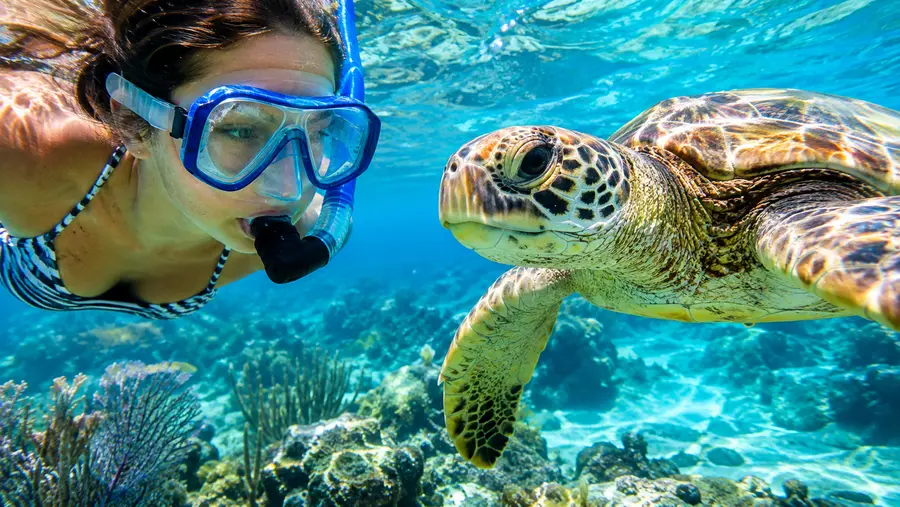
Evaluating Sustainable Tour Operators
Tour marketing can be misleading. Everyone claims to love nature, yet their operational choices often tell a completely different story. Here is a quick reference table showing how responsible operators contrast with standard mass-tourism outfits:
| Factor | Standard Tour Boat | Sustainable Eco Operator |
|---|---|---|
| Group Size | 20 to 50 snorkelers | 4 to 8 guests maximum |
| Anchor Method | Metal anchors on sand or rock | Permanent marine park moorings |
| Fish Feeding | Common practice to draw wildlife | Strictly forbidden |
| In-Water Staff | Observes from the deck | Active guide swimming alongside |
| Waste Policy | Plastic bottles and cups provided | Bulk refill stations only |
| Local Marine Fees | Sometimes bypassed or cut | Paid in full to park wardens |
Price usually reflects these operational standards. A crowded tour might cost $45, while a thorough, low-impact outing costs around $95 to $130 per person. You are paying for lower guest ratios, certified local marine naturalists, and slower travel speeds that burn less fuel. It costs more money to run a boat properly without shortcuts.
Book your snorkeling san pedro belize experience:
Assembling an Eco Friendly Snorkel Set
Most rental shops hand you brittle plastic fins and rubber masks that were molded cheaply overseas and tossed in a sanitizer bucket. Cheap gear breaks constantly. Snorkel clips snap, silicone skirts tear, and the broken pieces end up in municipal landfills or wash out to sea. Investing in your own gear cuts down on disposable tourist junk.
Look for companies using recycled ocean plastics or hypoallergenic food-grade silicone when shopping for gear. The best sustainable snorkel set for 2025 is typically one made from durable, repairable materials with replaceable straps rather than sealed components you must throw away after one crack. If a mask frame is built with stainless steel screws and modular silicone gaskets, it will last twelve years instead of two seasons.
- Mask Skirt: choose pure liquid silicone rather than PVC, which hardens, yellows, and cracks after sun exposure.
- Snorkel Barrel: skip complicated purge valves with tiny plastic flaps that fail easily; simple J-tube snorkels last forever.
- Fins: pick natural rubber over synthetic polymers, as rubber offers better thrust, lasts decades, and breaks down far less toxic.
- Mesh Bag: use recycled canvas or reclaimed fishing net totes instead of non-biodegradable nylon sacks.
Pro tip: Clean your mask using baby shampoo or diluted peppermint soap rather than spitting into the lens or buying chemical anti-fog drops that wash into the reef.
Buying gear second-hand is also a sensible path toward snorkeling sustainability. Check local gear swaps or dive shop consignment shelves. Plenty of travelers buy expensive masks for a single Caribbean cruise, store them in a dark closet, and sell them for $20 three months later. Keeping good gear in use keeps new petroleum products from being molded.
Protecting Reefs in the Water
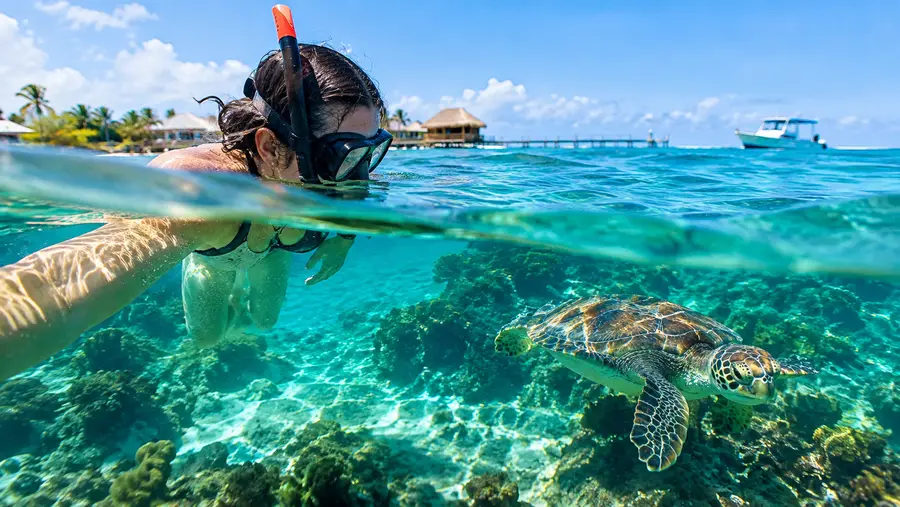
Your gear and tour boat matter, but personal body control in the water matters even more. Standing on reef structures kills live coral polyps instantly. Even a gentle kick from a flexible fin can stir bottom sediment that settles on nearby soft corals. Learn basic horizontal trim: keep your knees slightly bent, point your toes back, and use slow, controlled flutter kicks from your hips.
Never chase sea turtles or nurse sharks. Swimming directly toward a feeding turtle forces the animal to dive deep or leave its patch of seagrass before getting enough oxygen. Hang back at least 15 feet. Watch how the animal breathes, feeds, and turns through the surf. You will see much better behavior by hovering motionlessly than you ever will by paddling aggressively to keep up.
Sunscreen is another major hazard for shallow marine reserves. Chemical blockers like oxybenzone and octinoxate disrupt coral reproductive cycles and accelerate bleaching even at tiny concentrations. Check our detailed guide on sun protection and reef-safe sunscreens to understand what labels like non-nano zinc oxide actually mean on ingredient bottles.
I usually skip sunscreen entirely on my back and shoulders by wearing a long-sleeve UPF 50+ rash guard and swim tights. Clothing never washes off into the water, does not need reapplication after 40 minutes, and stops stinging sea lice from brushing against your skin. You can review proper reef etiquette guidelines to see how small choices protect these sites for decades.
Frequently Asked Questions about eco-friendly snorkeling
What makes a sunscreen truly reef safe?
True reef-safe formulas rely solely on non-nano zinc oxide or titanium dioxide as their active ingredients. They avoid chemicals like oxybenzone, octinoxate, homosalate, and parabens, which cause coral bleaching even in microscopic amounts.
Is it ever okay to touch a sea turtle or nurse shark?
No. Touching wildlife strips protective mucus coatings off fish, causes extreme stress, and can trigger defensive bites from otherwise docile animals. Always maintain a buffer distance of at least 10 to 15 feet.
How can I tell if a tour operator really cares about conservation?
Ask them directly if they anchor or use mooring buoys, verify that they cap passenger numbers below ten, ensure they strictly prohibit animal feeding, and check that guides swim in the water to supervise the group.
Quick Reference
- Passenger caps: look for boats limited to 6-8 guests
- Anchoring: verify the boat uses park moorings, never metal anchors
- Sun protection: wear UPF 50+ rash guards instead of slathering lotions
- Wildlife interaction: zero chumming, zero touching, 15-foot minimum distance
Book your snorkeling san pedro belize experience:
The Bottom Line
Reefs are resilient when given breathing room, but heavy tourist pressure chips away at their health day by day. Choosing operators who respect marine boundaries and bringing durable, reusable gear helps ensure these fragile underwater environments stay alive for the next generation of travelers. Book carefully, keep your fins up, and enjoy the water with a light footprint.
Read more about snorkeling san pedro belize.