Mexico Rocks the Quietest Snorkel Spot in San Pedro
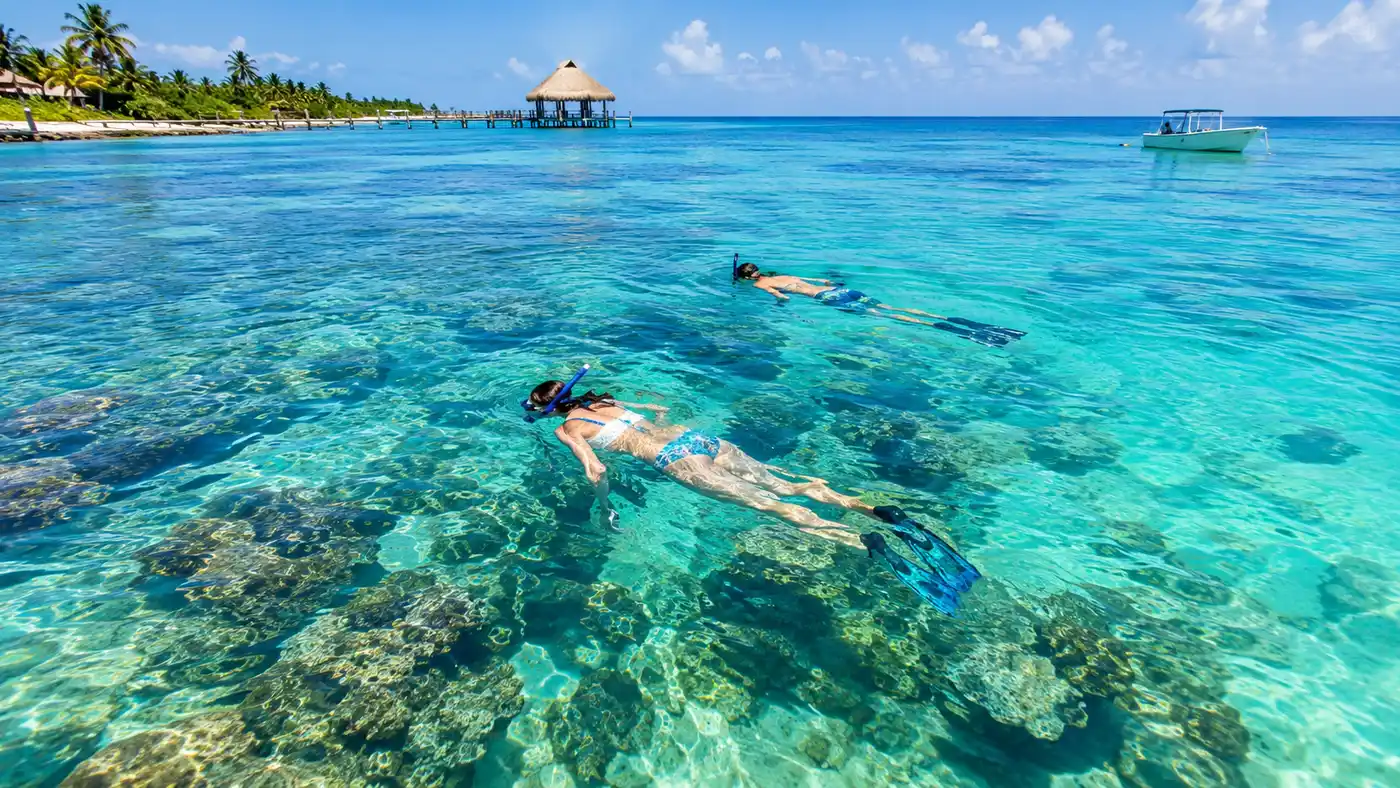
Most visitors heading out on a boat from Ambergris Caye find themselves squeezed shoulder-to-shoulder at the same southern marine reserve. It gets loud. Fins slap against masks, guides whistle from skiffs, and the nurse sharks circle on cue. If you head north instead, everything changes. The boat ride takes roughly 23 minutes past pastel-painted docks and wooden piers, leaving the town bustle behind until the water turns that specific, pale shade of turquoise that means shallow white sand beneath. When people ask me where to find peaceful reef life, I always point them straight toward mexico rocks san pedro belize because it feels like stepping into a private aquarium before the rest of the world wakes up.
This shallow patch reef system became part of an expanded marine reserve in 2015, which saved it from heavy fishing pressures and reckless anchoring. The coral heads here sit inside the reef lagoon rather than right on the barrier wall, meaning the barrier reef breaks the open ocean swells several hundred yards out. What remains is a calm basin. In this guide, I will break down exactly what swimming here looks like, how it compares to the famous southern cuts, what critters hang out under the boulders, and how you can book a trip without getting stuck on an overcrowded party boat.
Book your snorkeling san pedro belize experience:
What Makes Mexico Rocks San Pedro Belize Unique
The geography here is completely different from what you see around southern Ambergris Caye. At Hol Chan, you swim through a dramatic channel cut through the reef wall where tidal currents pull your fins out toward blue water. Mexico rocks is entirely made up of huge boulder corals known as patch reefs. These coral formations grow upward in isolated mounds across the white seabed, like islands scattered across a submerged desert.
Some of these brain coral heads measure nearly 12 feet across. Because the water inside this lagoon ranges between 8 and 14 feet deep, the tops of the boulders sit just beneath the surface. You do not need to free-dive down into deep blue shadows just to see small details. You can float motionless on the surface and watch miniature ecosystems unfold inches from your mask glass. It feels intimate in a way that deep wall drop-offs rarely manage.
Pro tip: Ask your captain to stop by the shallow seagrass edges on the approach, since spotted eagle rays love digging for mollusks in the soft mud there around mid-morning.
The area was named decades ago by local fishermen who noticed Mexican fishing smacks crossing territorial boundaries to anchor in these calm shallows during rough norther storms. Today, mexican rocks belize serves as a sanctuary for juvenile fish that grow among the crevices before venturing out into the deep Atlantic side of the barrier reef. The water clarity is usually stellar. Without massive chop kicking up sand, visibility regularly hits 60 feet or better on sunny days.
It stays sheltered. That is the true magic of the northern lagoon. When brisk trade winds blow across the Caribbean and turn the outside channels into rough washing machines, this spot stays relatively placid. You still get ripples, sure. Yet you rarely have to battle strong drift currents that exhaust your legs.
Marine Life You Will See While Snorkeling Mexico Rocks
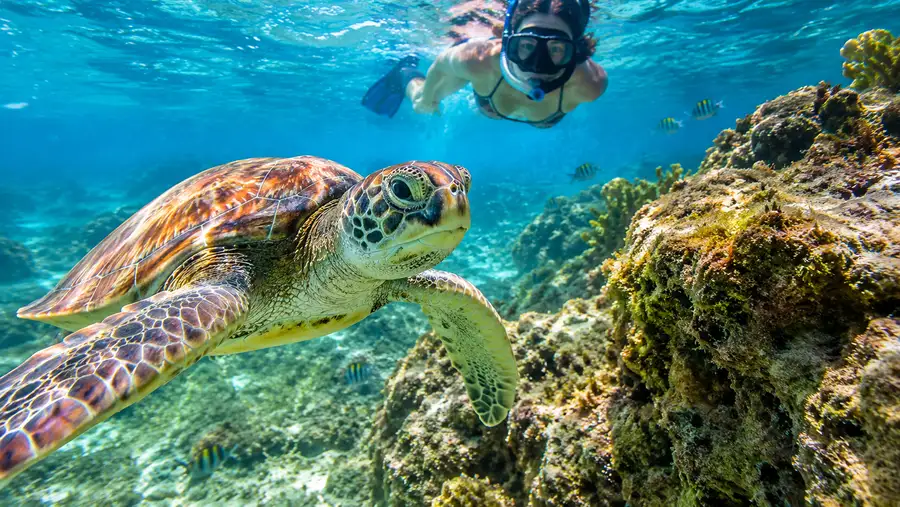
Because the coral patch clusters provide hundreds of tiny caves and overhangs, hiding spots are everywhere. The star residents here are the green sea turtles and loggerheads. Unlike spots where guides toss chum to attract animals, turtle sightings around these northern corals feel wild and unscripted. You might see one lazily chewing on seagrass or resting its chin directly on a brain coral ledge, blinking through the saltwater without caring about your presence.
Nurse sharks cruise the sandy patches between the coral boulders. They tend to be smaller here than the well-fed giants downstream, moving with slow purpose along the bottom. Southern stingrays and spotted eagle rays glide through, their wingtips kicking up tiny clouds of carbonate silt. Look closely inside the dark cracks under the coral bases. Spiny lobsters wedge themselves into deep fissures, their long white antennae poking outward like thin wires detecting vibration.
- Queen angelfish: Electric blue and yellow outlines make them stand out instantly against the muted brown corals.
- Stoplight parrotfish: You can hear them audibly crunching on hard limestone with their beak-like teeth.
- Great barracuda: They hover completely motionless beneath the boat hull, watching you with reflective silver eyes.
- Moray eels: Green morays curl inside crevices, opening and closing their jaws rhythmically to breathe.
I once floated above a single star coral head for twenty minutes just watching yellowtail snappers dart around a cleaner shrimp station. The tiny shrimp waved their translucent antennae, and large snappers held their gills open to be groomed. In crowded sites, people swim by so fast they miss these quiet micro-dramas. That is the real perk of mexico rocks snorkeling; nobody is pushing you to keep swimming in a tight pack.
Mexico Rocks vs Hol Chan Marine Reserve
Deciding where to spend your vacation budget can be tricky. Most boat operators push everyone toward Hol Chan and Shark Ray Alley by default because it sits closer to town and guarantees high-drama shark sightings. Yet bigger crowds come with trade-offs. If you are comparing your options, look at how the physical experiences differ.
| Feature | Mexico Rocks Reserve | Hol Chan Marine Reserve |
|---|---|---|
| Average Depth | 8 to 14 feet | 15 to 30 feet |
| Current Strength | Gentle to none | Moderate to strong tidal flow |
| Boat Ride from San Pedro | 20 to 25 minutes north | 12 to 15 minutes south |
| Crowd Levels | Low (often 2-4 boats) | High (often 15-25 boats) |
| Vibe | Relaxed, shallow exploration | Action-packed, guided convoy |
Hol Chan is dramatic, deep, and thrilling. The currents can be exhausting, though. If you drop a fin or swallow some saltwater there, you have to fight the tide while swimming alongside thirty other people in life vests. At Mexico Rocks, the pace drops by half. It suits nervous swimmers, families, and photographers who want time to line up a shot without getting kicked in the ribs by a rented rubber fin.
For first-time snorkelers, the shallower water provides genuine comfort. You can see the white sand floor clearly beneath you at all times. If you feel claustrophobic in your mask, floating over an 8-foot coral cluster feels far less intimidating than peering down into a 30-foot oceanic channel.
Book your snorkeling san pedro belize experience:
Planning Your Snorkel Trip to the Northern Reefs
Getting here requires booking a boat run by a licensed tour guide. Because it is an official reserve, park rangers monitor the area and boats must tie up to designated mooring balls to prevent anchor damage to the reef. Trips run either as half-day morning departures around 9:00 AM or afternoon slots around 2:00 PM. A typical shared trip costs around $55 per person, plus a $10 park entrance fee that goes directly toward marine preservation.
Most captains combine this stop with a visit to a nearby sandbar or a shallow coral nursery called Tres Cocos. Some will take you just outside the reef cut to fish for snapper on hand-lines before heading into the shallows. When you book on Front Street in San Pedro, talk to the captain directly rather than an aggressive ticket reseller. Ask how many passengers they take per run. A small skiff with six people beats a crowded catamaran with twenty-five every single time.
Note: Park rangers check wristbands out on the water, so make sure your tour price includes the official reserve entrance fee before boarding.
The boat ride itself travels past gorgeous territory. As you run north past the bridge, the resorts thin out, replaced by quiet private beach houses and sea grape trees. The water changes colors from dark green near the mangrove shorelines to striking turquoise near the reef. It takes around 20 minutes from Central Park, depending on how powerful the skiff engine is and how smooth the lagoon feels that morning.
Essential Gear and Etiquette for Mexican Rocks Belize
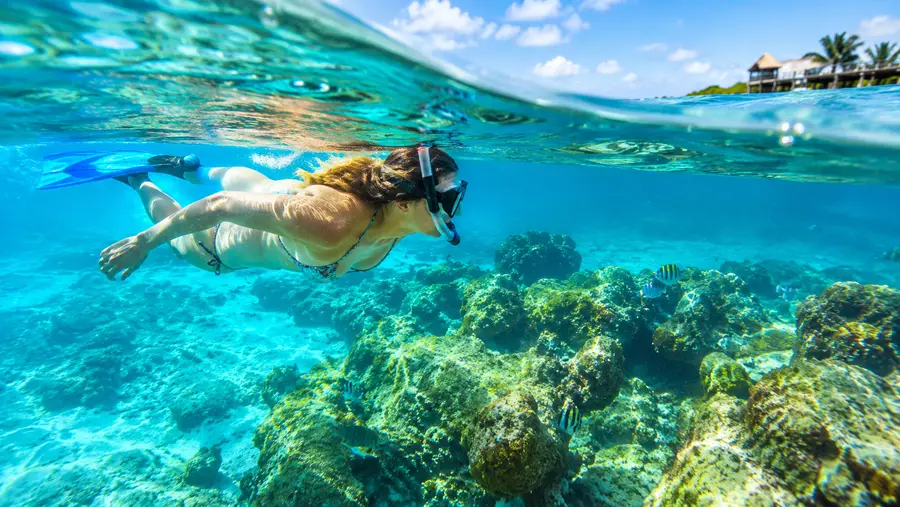
Protecting the reef is serious business. The boulder corals you float past took several centuries to reach their current size. Even a gentle swipe from a rubber swim fin can scrape off the thin, living tissue of polyps on the coral exterior, opening the door for lethal bacterial infections.
- Use reef-safe sun protection: Avoid regular sunscreens containing oxybenzone or octinoxate; opt for mineral zinc lotions or simply wear a light long-sleeve rash guard.
- Practice horizontal buoyancy: Keep your legs level with your body and kick from the hips with slow, rhythmic strokes rather than frantic bicycling.
- Never stand on coral heads: The sand patches are fine if you urgently need to adjust a mask, but coral boulders are living animals, not stepping stones.
- Keep your hands to yourself: Touching turtles or nurse sharks strips their protective mucus coat and stresses them out unnecessarily.
Bring along a defogger drops bottle for your mask. Baby shampoo mixed with freshwater in a tiny spray bottle works just as well. There is nothing worse than clearing mask condensation every three minutes while a family of spotted eagle rays glides right beneath you. I usually pack a lightweight dry bag with a microfiber towel, some dry shorts, and around $20 in cash for guide tips at the dock.
If you get seasick easily, the smooth northern waters will be kind to you. Because the barrier reef acts as an offshore fortress wall, waves rarely break inside the patch reef zone. It feels more like swimming in a massive, shallow saltwater pool than floating in the open sea.
Frequently Asked Questions about mexico rocks san pedro belize
How deep is the water at Mexico Rocks?
The water generally ranges between 8 and 14 feet deep. This shallow depth lets you view coral gardens and marine life up close without needing to dive deep underwater.
Can you snorkel Mexico Rocks directly from the shore?
No, you cannot safely swim out from the beach. The patch reef sits roughly three-quarters of a mile off the coast of northern Ambergris Caye, requiring a licensed boat to take you out.
Is Mexico Rocks suitable for children and beginners?
Yes, it is arguably the best spot on the island for beginners. The currents are very mild, the water is shallow, and boat traffic is much lighter than at southern reserves.
Quick Reference
- 20 to 25 minute boat ride north of San Pedro
- Water depth: 8 to 14 feet
- Low current and high visibility
- Reserve entrance fee: $10 USD
Book your snorkeling san pedro belize experience:
My Take on Mexico Rocks
If you only have time for a single snorkel trip while staying in Ambergris Caye, your choice comes down to personal taste. Go south to Hol Chan if you crave wild action, swarming crowds, and guaranteed photo ops with dozens of nurse sharks rubbing against boat hulls. But if you want to float quietly through clear turquoise water, watching turtles graze among ancient brain coral heads without being bumped by another swimmer, head north. Mexico Rocks gives you the reef experience as it was meant to be seen: quiet, vibrant, and untouched by tourist chaos.
Read more about snorkeling san pedro belize.