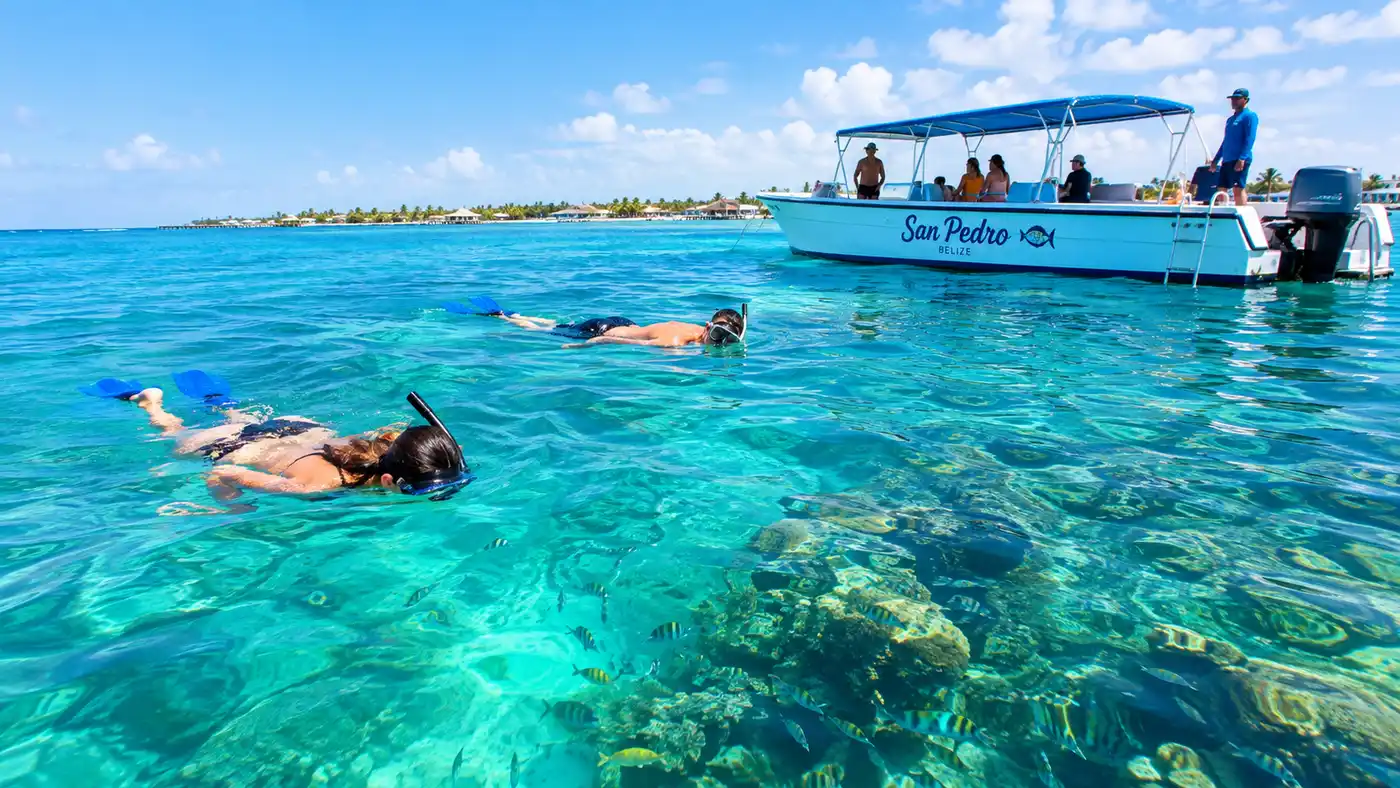
Review of Top Snorkel Boats in San Pedro
Walking along the beachfront in San Pedro at seven in the morning reveals a shoreline packed with docks, each crowded with wooden posts, pelicans, and dozens of watercraft tied off against the gentle chop. Finding the best snorkel boats san pedro has to offer isn't just about picking a reputable tour operator from a sidewalk sandwich board. The vessel you step onto dictates whether you spend a 45-minute crossing shivering against sea spray or relaxing under a canvas bimini with your feet resting on dry fiberglass.
Every boat bobbing along Ambergris Caye has a distinct personality, molded by the barrier reef just half a mile offshore. You will see bare-bones panga skiffs stripped of every luxury, custom center consoles with twin outboards, wide pontoon barges built for cocktail cruises, and 40-foot sailing catamarans designed to glide over turtle grass without waking the turtles. I have boarded vessels here that felt like floating living rooms, and others where I held onto a rusty grab rail with white knuckles as we hit the swell outside the reef cut. The ride matters just as much as the coral.
Book your snorkeling san pedro belize experience:
The Classic Belizean Panga: Fast, Wet, and Utilitarian
Most local guides run 23- to 28-foot Mexican-molded fiberglass pangas. If you book an impromptu morning run to Hol Chan Marine Reserve from a dock in town, this is almost certainly what you will step into. Pangas feature narrow beams, shallow drafts, and sharp bows that slice through the turquoise shallows behind the reef crest.
They are light. When an outboard captain drops the throttle on a 150-horsepower Yamaha, the boat shoots forward with immediate, raw acceleration. You sit on fiberglass bench seats or padded wooden planks running across the hull. Storage is usually tucked right into the forward hatch, where the deckhand shoves your dry bags alongside spare life jackets and anchor line. You will smell salt, marine fuel, and damp neoprene within thirty seconds of untying.
The ride can be punishing if the trade winds kick up choppy whitecaps across the inner lagoon. Pangas lack high freeboards, so taking a splash of warm sea water directly across the chest is part of the deal. At the same time, their small size lets a savvy captain park right on top of shallow patch reefs where heavier yachts simply cannot drift.
Pro tip: Sit near the stern if your lower back hates pounding waves, because the bow of a light panga absorbs the brunt of every single crest you hit.
Getting in and out of the water from a panga requires a little physical coordination. Most operators carry a removable aluminum ladder that hooks directly over the gunwale. The rungs are narrow, often slippery with sunscreen, and tend to swing beneath the hull under your weight. It is straightforward enough for agile swimmers, but it can turn clumsy if you have stiff knees or struggle to haul your body weight up five vertical rungs while wearing neoprene booties.
Sailing Catamarans: Space, Comfort, and Slow Island Cruising
For trips heading further afield toward Caye Caulker or the North Cut, twin-hull catamarans change the entire atmosphere of a reef trip. Operators running catamaran day trips out of Ambergris Caye cater to folks who care just as much about lounging on deck with fresh ceviche as they do about identifying juvenile damselfish.
These boats measure between 38 and 50 feet, giving you actual room to walk around without bumping into someone else's snorkel fins. The trampolines up front - those sturdy mesh nets laced between the hulls - are the prime real estate. You lie on the netting, watching clear sea water rushing six feet below you while Caribbean trade winds keep you cool. It is smooth. The twin hulls cancel out the sharp rolling motion that makes so many travelers seasick on smaller monohulls.
Catamarans also have dedicated ladders engineered for easy boarding. Instead of the flimsy hooked metal ladders on speedboats, these boats drop wide, angled steps straight into the water between the stern hulls, complete with heavy-duty handrails on both sides. Climbing out after an hour of kicking against a mild current feels effortless.
Note: Catamarans cannot navigate shallow reef shallows directly, so they will anchor in deeper sand channels and have you swim longer distances to reach the coral formations.
There are tradeoffs, obviously. Catamarans move slowly under sail, often cruising at around 6 to 8 knots. If your goal is hitting three separate snorkel spots before midday, a catamaran will leave you frustrated. If your goal is sailing under reef breezes with fresh rum punch in hand after seeing stingrays, nothing matches them.
Custom Center Consoles and Private Charter Skiffs
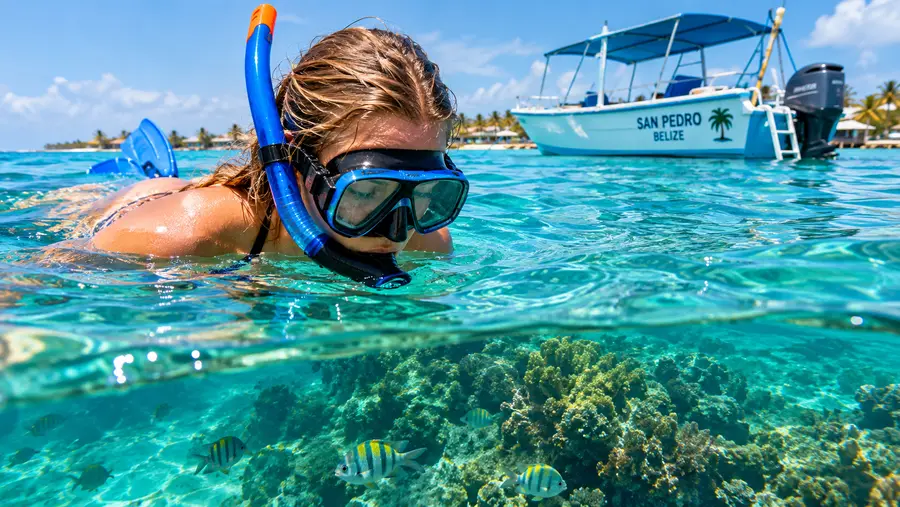
Between the bare panga and the massive sailing catamaran sits the sweet spot for serious snorkelers: modified 28- to 32-foot center consoles. Independent operators like Lil Alphonse and a handful of boutique dive shops invest heavily in these setups to run specialized excursions.
These boats carry wide beams, deep-V hulls, and generous canvas T-tops that cast real shade over the seating area. If you burn easily, that shade makes an immense difference during a four-hour afternoon trip. The consoles house modern marine VHF radios and GPS depth sounders, allowing captains to pinpoint isolated patch reefs that casual guides run straight past.
Seating on these boats usually features thick marine upholstery with backrests rather than hard fiberglass benches. Engine packages often include modern four-stroke outboards that run quietly, saving you from inhaling clouds of blue exhaust smoke whenever the boat idles while waiting for snorkelers to drift back to the stern.
What makes a dedicated center console worth the higher charter fee:
- Custom boarding ladders: heavy-duty, angled boarding steps mounted directly to the swim platform, making exit clean and safe.
- Plentiful dry storage: dedicated under-seat lockers keeping backpacks, cameras, and towels genuinely bone-dry.
- Freshwater rinse tanks: small pressurized washdown hoses for clearing stinging salt water from your eyes and camera housing.
- Padded wraparound seating: shock-absorbing cushions that save your spine when crossing choppy channels between cayes.
- Generous canvas shade: fixed T-tops and biminis protecting passengers from intense midday Caribbean sun.
Book your snorkeling san pedro belize experience:
Specialty Builds and Flat-Deck Cruisers
A newer breed of boat has appeared along the San Pedro waterfront over the last decade: custom-built, wide-deck flat-bottom cruisers. The most famous example locally is the YOLO, operated by Island Dream Tours, but other operations have built similar vessels designed specifically for reef cruising.
These craft resemble heavy-duty aluminum pontoon boats crossed with open party barges. They feature wide, flat platforms with perimeter railings, expansive shaded lounge seating, and sometimes even onboard freshwater marine heads (toilets). For multigenerational families or travelers nervous about open water, these flat decks provide exceptional stability. You can stand up, wander over to the bar, grab a slice of watermelon, and never feel like a sudden wake will pitch you into the drink.
The experience is distinctly social. You will be sharing deck space with 20 to 30 other passengers, music will likely be playing through marine speakers, and the pace is deliberately relaxed. Purist snorkelers might find them too slow and crowded, but for comfort, they are undeniably tough to beat.
| Boat Style | Average Capacity | Speed | Entry/Exit Difficulty | Best For |
|---|---|---|---|---|
| Standard Panga | 6 - 12 guests | Fast (20-28 kts) | Moderate (hook ladder) | Quick reef runs, budget trips |
| Sailing Catamaran | 15 - 35 guests | Slow (6-9 kts) | Easy (stern stairways) | All-day relaxing, full-day Caye Caulker runs |
| Custom Center Console | 6 - 10 guests | Fast (22-30 kts) | Easy (angled swim ladder) | Private charters, serious reef exploration |
| Flat-Deck Cruiser | 20 - 35 guests | Moderate (10-14 kts) | Very Easy (wide staircase) | Families, mixed groups, comfort seekers |
Matching the Vessel to Your Snorkel Itinerary
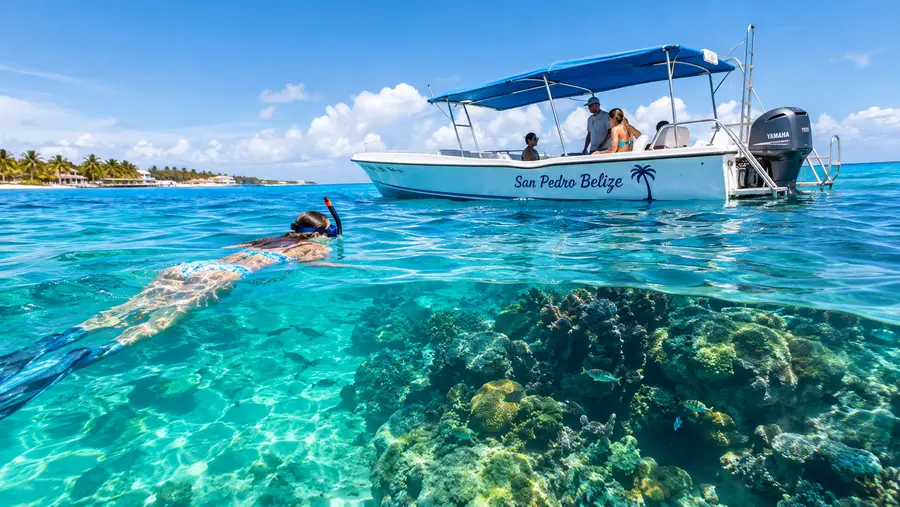
The boat you should pick depends heavily on where you want to drop your mask. If you are heading out to Mexico Rocks on the north side of Ambergris Caye, the water inside the reef is generally calm, protected by the barrier system. A standard panga or center console is perfect for that run; you get there in 20 minutes, drop anchor in 10 feet of clear turquoise water, and slip in.
Things change if your route takes you outside the reef. Crossing through the reef cuts - whether near Hol Chan or out toward offshore atolls - exposes the vessel to open Atlantic swells. In a low-sided panga, crossing a rough cut can cause serious anxiety if you are not accustomed to ocean waves breaking across shallow coral heads. Center consoles with high bows handle those cuts with significantly more grace.
Booking trips at the tour desks requires knowing which questions to ask. The photos on display brochures often show gleaming white catamarans, but the boat tied to the dock for the Tuesday morning run might be an aging 24-foot workboat. Talk directly to the desk agent or dockmaster before handing over your credit card.
Questions worth asking before booking:
- Canopy coverage: ask how much of the boat remains shaded during the midday run, especially if you burn easily.
- Passenger head count: confirm how many people are confirmed for the exact hull size going out that day.
- Ladder style: ask whether the boat uses an over-gunwale hook ladder or a rigid transom step.
- Head facilities: check if the vessel has an onboard toilet if you are booking a trip longer than three hours.
Frequently Asked Questions about best snorkel boats san pedro
What is the most stable type of snorkel boat in San Pedro?
Twin-hull sailing catamarans and custom flat-deck cruisers offer the greatest stability. Their wide stances resist wave roll, making them ideal for anyone worried about seasickness.
Do snorkel boats in Ambergris Caye have bathrooms on board?
Standard pangas and small center consoles do not have bathrooms. Larger sailing catamarans and flat-deck tour boats typically carry marine heads below deck or behind the helm station.
How do snorkelers get back on the boat after swimming?
Boats use boarding ladders. Pangas use narrow aluminum ladders hooked over the side gunwale, while larger boats and custom center consoles feature wider, angled stairs mounted to the transom.
Quick Reference
- Pangas: fast, bumpy, minimal shade, best for short budget hops
- Catamarans: slow, spacious, stern stairs, best for all-day sailing
- Center consoles: fast, shaded, cushioned, ideal for private charters
- Typical transit to Hol Chan: 15 to 20 minutes from town docks
Book your snorkeling san pedro belize experience:
My Take
If you ask me to spend a Tuesday morning out on the reef, I will pick an open center console with an experienced Belizean captain every single time. Pangas are cheap and authentic, but my back appreciates a cushioned seat after an hour of finning against the current. Large party catamarans are lovely for afternoon drinks, yet they lack the agility to tuck into quiet reef cuts where nurse sharks gather away from crowds. Find an operator running a clean 28-foot fiberglass console with decent shade, put your gear in a dry bag, and let the reef show you why San Pedro exists in the first place.
Read more about snorkeling san pedro belize.