Snorkeling Etiquette Protecting the Belize Barrier Reef
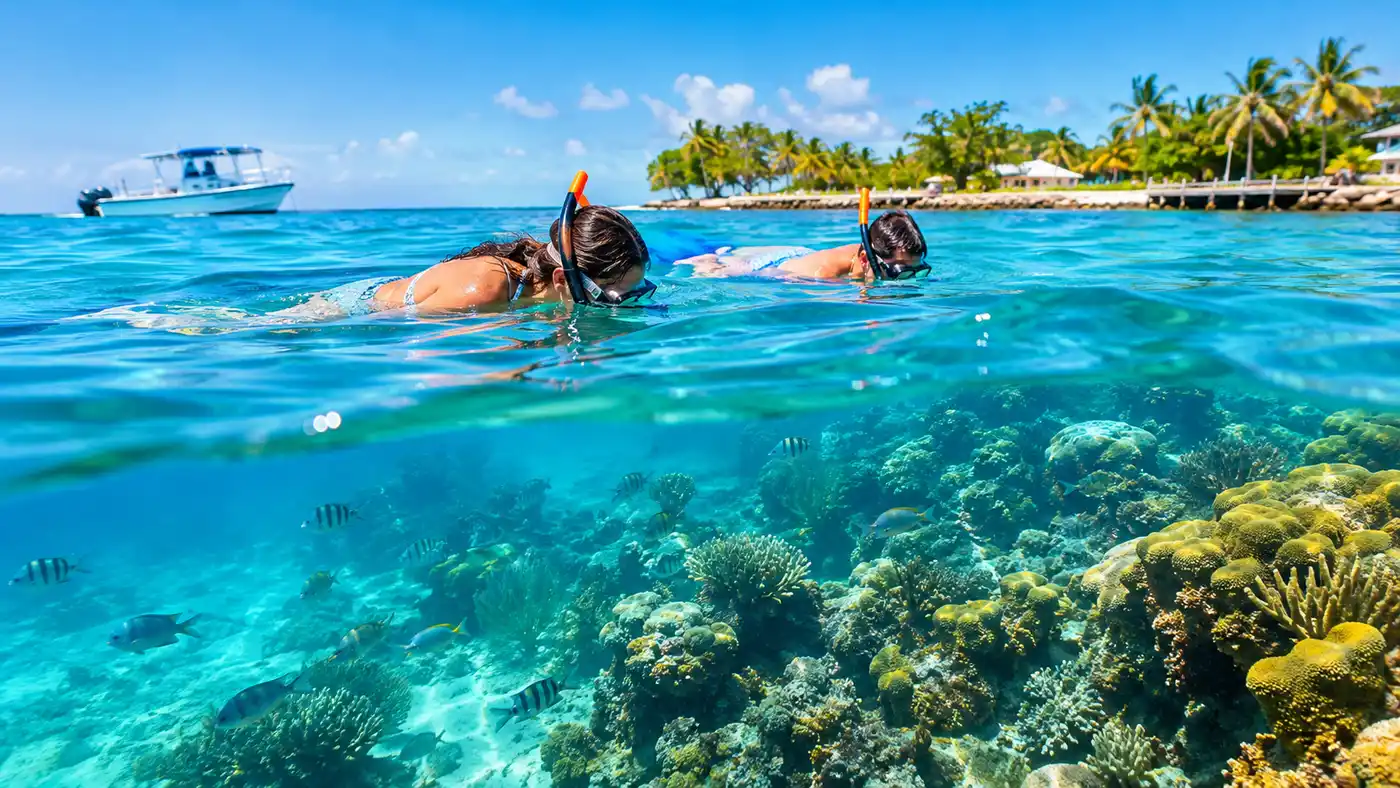
You drop over the gunwale of a small wooden skiff into seven feet of turquoise water, and the first thing that hits you is the absolute noise of the place. Parrotfish crunch on brain coral with audible scraping snaps. Thousands of tiny grunt fish shift together in a silvery cloud, reacting to the shadows above. Doing belize barrier reef snorkeling right requires realizing that you are stepping uninvited into an intricate living organism, one that took around 10,000 years to reach its current shape. Every kick of your fins has consequences.
The Belize Barrier Reef stretches 190 miles along the coast, second in size only to Australia's Great Barrier Reef. It shelters hundreds of patch reefs, sand cays, and mangrove systems. Because so much of the best coral sits in shallow lagoons barely five feet below the surface, the margin for human error is razor thin. Good intentions aren't enough when an errant rubber fin blade can sever a fifty-year-old elkhorn coral branch in half a second. This guide breaks down essential coral reef etiquette, physical techniques, gear selections, and local habits that keep this extraordinary marine ecosystem alive long after your sunburn fades.
Book your snorkeling san pedro belize experience:
The Golden Rule of Belize Barrier Reef Snorkeling: Hands and Fins Off
It sounds obvious, but you would be shocked at how many people rest on massive coral heads like they are underwater footstools. Corals look like rocks. They are actually colonies of fragile, soft-bodied animals called polyps that secrete hard calcium carbonate skeletons around themselves. Touching them strips away their outer protective mucus layer, leaving them wide open to bacterial infections and lethal bleaching. Fire coral will also give you an agonizing chemical burn that stings for three days, which serves as swift natural karma.
Controlling your fins takes actual concentration, especially in water where current pulls across shallow cuts in the barrier. The classic flutter kick - where your legs thrash up and down like scissors - is the worst choice for barrier reef belize snorkeling. It stirs up heavy clouds of sea floor silt. Silt settles onto coral polyps, suffocating them because they rely on sunlight to feed their symbiotic algae. It also ruins the visibility for every other swimmer within 40 yards.
Switch to a gentle frog kick instead. Bend your knees, bring your heels together, kick outward, and snap your feet flat in a slow, wide glide. Keep your torso horizontal with your hands tucked behind your lower back or clasped loosely over your stomach. This posture stabilizes your body and prevents nervous hand-paddling. If you feel tired or need to clear water out of your mask, roll onto your back and float quietly without sculling your feet.
Pro tip: Practice floating dead-still without kicking in the deep sandy section next to your boat before swimming anywhere near the coral heads, especially if you have not worn fins in a few years.
Buoyancy issues cause ninety percent of coral collisions. Salt water here is very buoyant, but rental life vests can make you clumsy if they are inflated until stiff. Ask your boat captain for a simple waist belt or blow just two breaths into an inflatable snorkel vest. That gives you enough lift to rest comfortably without pushing your feet down toward the reef beds.
Reef-Safe Sunscreen and Gear Choices
Chemical sunscreens kill coral. Oxybenzone and octinoxate alter coral DNA, deform polyp larvae, and cause catastrophic bleaching even at miniscule concentrations equivalent to a single drop in six Olympic-sized swimming pools. Belize marine reserves strictly discourage these chemicals, yet local guides constantly pull toxic store-bought spray bottles out of tourists' daypacks. Chemical sprays also float off in oily slicks on the water surface, suffocating surface organisms.
Your best line of defense is physical clothing rather than lotion. A long-sleeve UPF 50 rash guard and a pair of swim leggings cost around $42 online and completely eliminate the need for lotion on your back, shoulders, and legs. If you need sun protection for your face and neck, review our reef safe sunscreen guide to find genuine non-nano zinc oxide formulas. Mineral lotions stay on top of your skin and act as physical shields rather than absorbing into your bloodstream and leaching into seawater.
The gear you pick matters just as much as your lotion. Stiff, extra-long diving fins belong out in open 80-foot drop-offs, not in 6-foot shallow coral gardens. Short, flexible snorkel fins give you plenty of propulsion while significantly dropping your chances of accidentally clipping a delicate sea fan.
| Gear or Sun Protection | Reef Impact Level | Best Practice |
|---|---|---|
| Standard Chemical Sunscreen | Severe | Never wear; contains oxybenzone and octinoxate that cause bleaching. |
| Non-Nano Zinc Oxide Lotion | Minimal | Apply 25 minutes prior to water entry so it binds to skin. |
| Full-Body UPF 50 Rash Guard | Zero | The gold standard; eliminates toxic runoff entirely. |
| Long Free-Diving Fins | High Risk | Leave them behind; long blades scrape shallow corals easily. |
| Short Travel Snorkel Fins | Very Low Risk | Ideal for shallow gardens; tight control during sudden surges. |
Wildlife Encounters and Snorkeling Safety Precautions
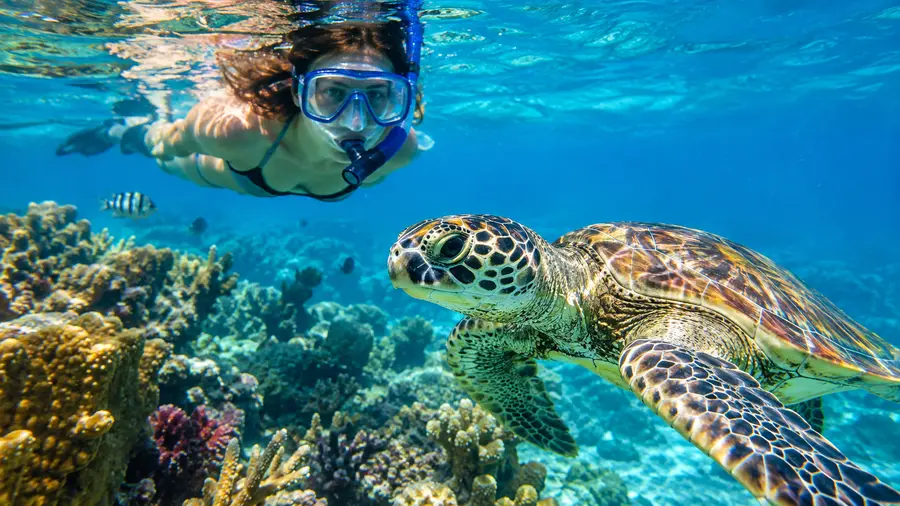
Watching a green sea turtle pull turtle grass from the sea floor is mesmerizing. The urge to swim closer is strong, but chasing an animal triggers its fight-or-flight stress response. Turtles breathe air. When swimmers swarm over a surfacing turtle, the animal panics, dives down before taking a full breath, and can drown from exhaustion. Maintain a respectful perimeter of at least 12 feet at all times.
Nurse sharks and southern stingrays in spots like Shark Ray Alley are habituated to boat engines because fishermen historically cleaned conch and fish there. They will brush right against your legs. Do not pet them. Do not grab a shark by its dorsal fin for a photo. Nurse sharks have strong jaws lined with crushing dental plates, and while they are docile bottom-feeders, they will bite if squeezed or cornered. Stingrays possess venomous barbs near the base of their tails that cause terrible puncture injuries if stepped on or grabbed.
Note: Flash underwater photography disorients marine animals and blinds seahorses and small reef fish; turn off artificial strobes when swimming in water less than 15 feet deep.
Smart travelers treat snorkeling safety precautions as reef etiquette too. Panicked people kick out blindly, grab living coral to stabilize themselves, and cause massive reef destruction in seconds. Keep these baseline rules in mind before every jump:
- Look up every 3 minutes: keep tabs on where your boat is and ensure the wind current hasn't pulled you over an ultra-shallow reef crest.
- Never snorkel solo: always keep a designated swim partner within arm's reach so you can warn each other before finning into fire coral.
- Check your depth before diving down: free-diving requires a clear sandy window for descent so you don't break fragile staghorn tips on the way down.
- Respect local marine flags: heavy chop over outer barrier breaks can create powerful rip currents that throw swimmers directly against jagged coral ledges.
Book your snorkeling san pedro belize experience:
Responsible Boating and Choosing Sustainable Operators
Boats cause huge mechanical damage along the reef when crews drop metal anchors directly into living coral formations. One dropped anchor can pulverize several square yards of ancient brain coral in seconds. Belize's marine reserve authorities maintain heavy-duty mooring buoys at most popular sites. Reputable captains tie off to these buoys instead of throwing anchors over the side.
When booking a tour out of Ambergris Caye, look specifically for certified eco friendly snorkeling tours whose operators carry licensed Hol Chan guides. These captains shut off their engines early, drift gently into designated snorkel zones, and explicitly brief their guests on conservation rules before anyone pulls on a mask. If a tour guide starts handing out bread chunks or hot dogs to pull yellowtail snappers closer to your mask, find another company next time. Feeding human food to fish disrupts their natural grazing habits, stops them from cleaning algae off the coral, and makes them aggressive toward humans.
Listen closely to your guide during the briefing. Great local guides know the name of every channel, the nesting spots of spotted eagle rays, and where the nurse sharks are sleeping. When they tell you to stay out of a particular narrow cut because the tide is dropping, they are protecting both your shins and the fragile soft corals growing along the limestone wall.
I once saw a guide pull an entire group out of the water after one guest refused to stop poking a nurse shark with a plastic GoPro pole. It was slightly inconvenient for the group, but it made me respect the guide immensely.
Reef Etiquette Beyond San Pedro: From Caye Caulker to Harvest Caye
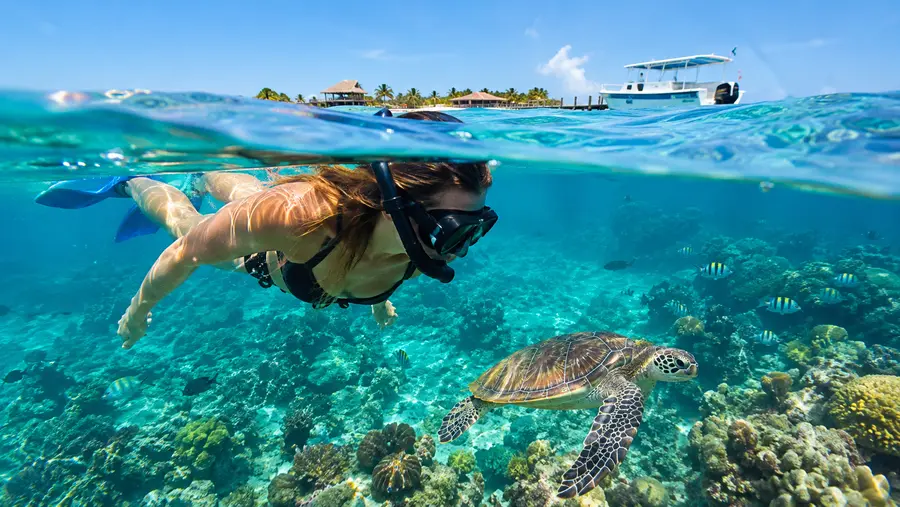
The rules don't change just because you move to a different caye or arrive on a southern cruise ship. While San Pedro sees the lion's share of visitors, barrier reef belize snorkeling extends across hundreds of miles of fragile ecosystems down to Placencia and Punta Gorda. Each area comes with slightly different physical environments that demand care.
If you're staying near the relaxed, sand-packed beaches in caye caulker, belize, you'll likely swim straight from docks or take tiny skiffs out to the Caye Caulker Marine Reserve. The water here is shallow, often just 4 to 8 feet deep. Because the passage is narrow, currents can push you sideways toward shallow coral shelves faster than you expect. You have to monitor your surroundings constantly so you don't drift across a shallow brain coral dome on a low tide.
Further south in Stann Creek, travelers taking a cruise often book harvest caye snorkeling excursions. Harvest Caye belize snorkeling is popular for cruise day-trippers visiting private resort islands. The tour boats carry travelers out toward patch reefs and the South Water Caye Marine Reserve. These southern reefs see massive waves of snorkelers arriving all at once from single cruise tenders, creating intense localized pressure.
If you join a harvest caye snorkeling tour, the crowds require extra discipline:
- Create personal space: stay at least 15 feet away from large clusters of life-jacketed cruise swimmers to avoid being kicked by frantic fins.
- Refuse all souvenir shells: never purchase dried sea stars, conch shells, or dried coral fragments sold at docks, as collecting them strips the barrier system of vital calcium.
- Carry out all plastic trash: wind gusts frequently blow snack wrappers and empty plastic water bottles off boat benches straight into sea turtle foraging channels.
- Stick to the sand trails: when wading into the water from southern beaches, step strictly on sand patches to avoid crushing camouflaged stingrays and fragile juvenile sea grass beds.
Whether you are on a remote liveaboard dive boat off Glover's Atoll or taking an afternoon trip from a bustling island, belize reef snorkeling requires quiet humility. We are visitors in a fragile wet jungle.
Frequently Asked Questions about belize barrier reef snorkeling
Can I stand on dead coral or bare sand patches if I need to adjust my mask?
Standing on bare sand is fine, but make sure to check for stingrays and sea urchins first. Never stand on anything that looks like rock or dead coral. Corals that appear dead often have thousands of living juvenile polyps recolonizing their surfaces, and your body weight crushes those new colonies instantly.
What happens if I accidentally brush against fire coral?
Fire coral isn't a true coral, but a hydrozoan that injects painful toxins through tiny hair-like stingers. If stung, do not scrub the skin with fresh water, as this triggers unspent venom capsules. Rinse the spot with seawater, soak it in white vinegar or rubbing alcohol to neutralize the toxins, and apply hydrocortisone cream to ease the burning sensation.
Are gloves allowed when snorkeling in Belize's marine reserves?
Most marine reserves in Belize discourage or outright ban dive gloves for snorkelers. When people wear gloves, they feel emboldened to grab rocks and touch reef structures. Keeping your hands bare naturally reminds you to stay back and keep your fingers tucked away from the marine life.
Quick Reference
- Never stand on coral heads or rocks
- Non-nano zinc sunscreen or rash guards only
- Maintain 12-foot space from all sea turtles
- Frog kick only to avoid kicking up bottom silt
- Pick tour boats that tie off to public mooring buoys
Book your snorkeling san pedro belize experience:
Before You Hit the Water
Protecting the barrier reef doesn't require complex training or deep marine biology degrees. It just takes spatial awareness, patience, and the humility to remember that you are swimming over an ancient underwater treasure. Snag a comfortable rash guard, slow your kick down, and let the marine life move around you on its own terms. Belize's waters will give you an unforgettable show if you give the reef the quiet space it deserves.
Read more about snorkeling san pedro belize.