Snorkeling vs Diving in San Pedro Which Is Right for You
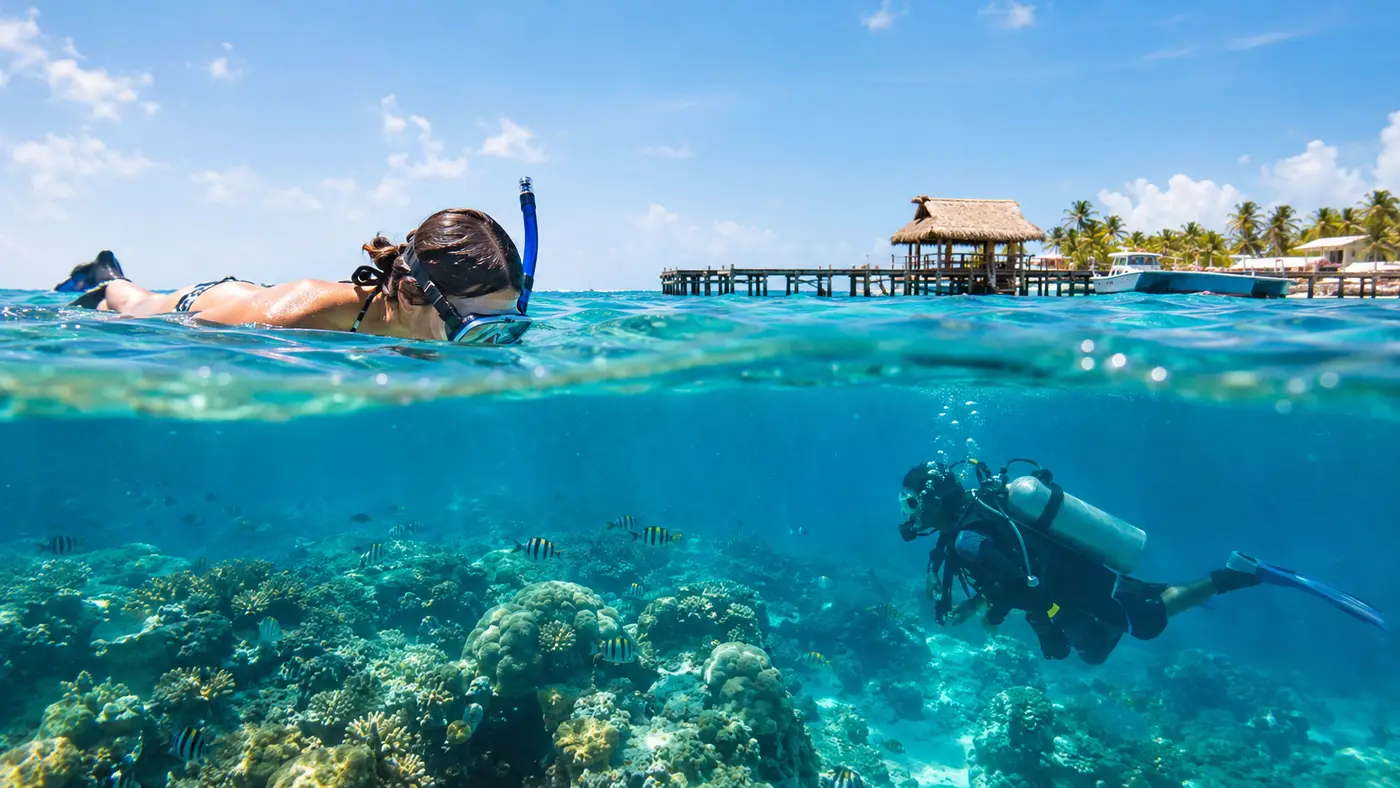
Standing on the dock at Ambergris Caye around seven in the morning, watching dive boats load heavy steel tanks while someone next to you just tosses a mask into a canvas tote, it is easy to wonder about the real differences between skin diving vs snorkel setups, or whether strapping on forty pounds of scuba gear makes sense here. Both get you into the Mesoamerican Barrier Reef. Both show you nurse sharks and spotted eagle rays. Yet the physical reality of each experience feels worlds apart, especially once you factor in gear weight, certification costs, and how much energy you actually want to burn under the midday sun.
Most travelers land in San Pedro assuming they must make a hard choice right away. They ask whether skin diving vs snorkel techniques matter on a shallow patch reef, or if skipping certification means missing out on the best marine life. I have spent years jumping off wooden skiffs along this reef crest. The truth depends largely on your comfort level in moving water, your budget, and how much logistical baggage you care to carry on vacation.
Book your snorkeling san pedro belize experience:
Understanding the Basics: Skin Diving vs Snorkel and Scuba
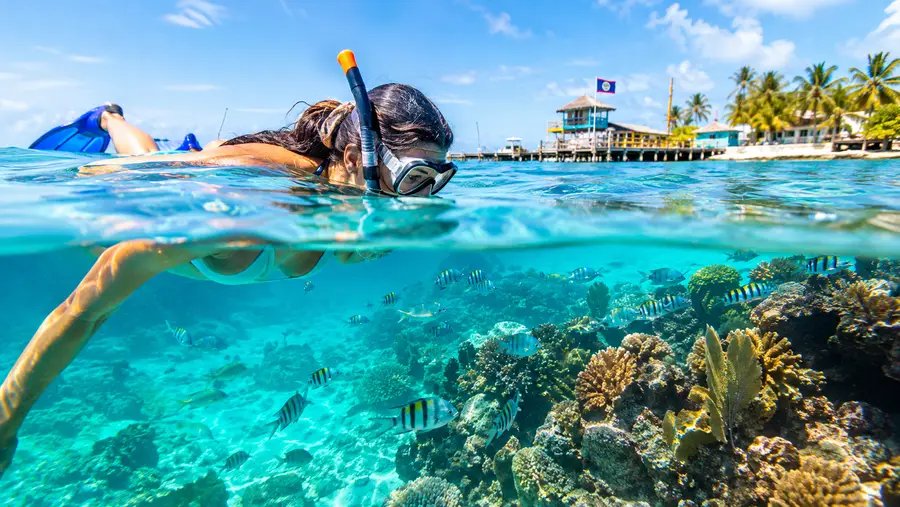
People often toss these words around like synonyms, but they describe distinct activities with totally different equipment demands. Standard snorkeling involves floating belly-down on the surface, breathing through a plastic tube with a silicone mouthpiece, and peering down through a tempered glass mask. You kick with short fins to steer yourself, staying buoyant via natural body fat or a thin yellow foam vest that operators hand you on the boat. It requires almost zero technical practice. If you can kick your legs while looking at the floor, you can do it.
Skin diving sits somewhere between that surface crawl and deep freediving. It means taking a full breath, pivoting at the hips, and kicking straight down five to twenty feet to examine a brain coral cavern or peek under a limestone ledge before swimming back up to clear your snorkel with a sharp puff of air. You use the exact same gear as a snorkeler - maybe with longer, more flexible fins - but you spend real physical effort equalizing your ears as water pressure builds up. Scuba diving, meanwhile, removes the breath-holding limit entirely by strapping an aluminum cylinder to your back, feeding pressurized air through a regulator so you can hover along the seafloor for forty-five minutes straight.
Pro tip: If you plan to practice skin diving down to six or eight feet, pinch your nose through the silicone mask pocket and blow gently against it the instant your head dips underwater to pop your ears before pain starts.
Whether you choose snorkeling vs scuba diving usually comes down to depth preference. While a scuba diver rests quietly on the sandy bottom watching a green moray eel get cleaned by tiny shrimp, a surface swimmer watches that exact same scene through ten feet of clear turquoise water from directly above. Both see the eel. One just hears bubbles.
Comparing the Experiences: Snorkeling vs Scuba Diving on the Belize Barrier Reef
The reef surrounding Ambergris Caye sits absurdly close to shore. In some spots, it is barely a quarter-mile run out past the boat docks, which means the water remains remarkably shallow inside the barrier. Because sunlight penetrates shallow water without losing red and orange wavelengths, surface reef views here can be shockingly vibrant. In fact, many visitors find that comparing scuba diving vs snorkeling in terms of color saturation actually favors the surface swimmer, simply because natural sunlight has not been filtered out by forty feet of ocean depth.
Cost differences are substantial. A standard two-tank morning scuba dive around San Pedro typically runs about $110 to $130, not including rental fees for regulators and buoyancy vests, which can easily tack on another $30. If you are not certified, a Discover Scuba Resort Course will set you back roughly $195 for half a day of pool drills and a single guided shallow ocean dive. Compare that with a half-day trip to Mexico Rocks, where a simple boat ride with rental fins and mask runs roughly $55 per person, and the math becomes pretty clear for families or couples traveling on a tight budget. If you are still weighing the financial side, checking how much snorkeling costs in San Pedro gives a realistic breakdown of park fees and boat rates.
Note: Dive boats operate on strict schedules with set surface intervals, so you cannot casually hop into the water whenever you feel like it the way you can from an anchored snorkel catamaran.
There is also the physical toll. Scuba requires hauling twenty-nine-pound tanks across rocking boats, managing air consumption rates, and monitoring nitrogen absorption. If you plan to fly back to Belize City or hop on a puddle jumper to catch an international flight out of Philip Goldson Airport, you must wait eighteen to twenty-four hours after your last dive to avoid decompression sickness. Snorkelers and skin divers have zero surface wait times before boarding a flight.
| Activity | Average Cost | Gear Needed | Depth Range | Certification Required |
|---|---|---|---|---|
| Standard Snorkeling | $45 - $60 | Mask, snorkel, short fins, vest | Surface only | None |
| Skin Diving | $45 - $60 | Low-volume mask, long fins, snorkel | Surface to 25 feet | None (basic water skills needed) |
| Discover Scuba (1 Day) | $175 - $210 | Full scuba unit, wetsuit, weights | Up to 30 feet | None (short briefing & pool session) |
| Certified Scuba (2-Tank) | $110 - $145 | Full gear, computer, tanks | 40 to 90 feet | Open Water card required |
Reef Geography: Where Diving or Snorkeling Makes the Biggest Difference
Not all marine sites around San Pedro offer identical terrain. Choosing between diving or snorkeling often depends on the specific cut in the barrier reef you plan to visit on any given day.
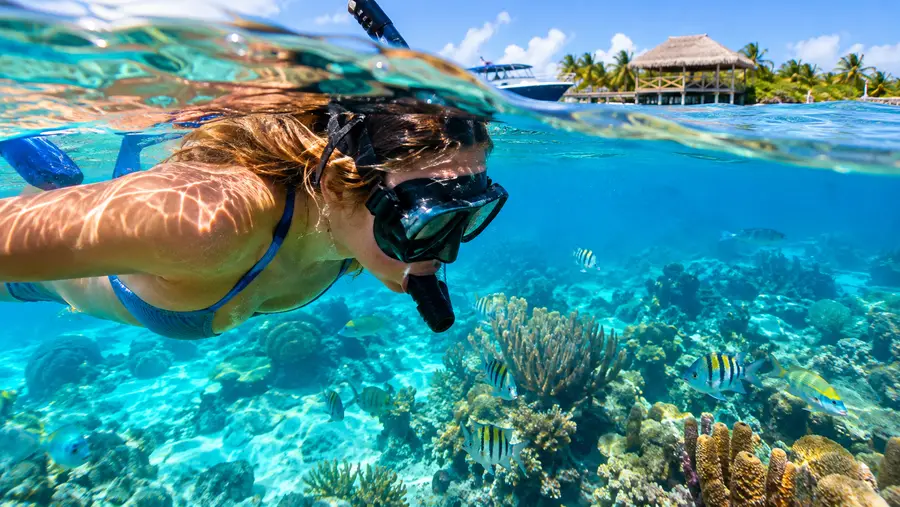
Take Hol Chan Marine Reserve. The protected cut through the reef wall features a sandy channel that bottoms out around twenty-eight to thirty feet. If you snorkel Hol Chan, you drift right over the main channel while eagle rays glide below you and schools of jacks circle in mid-water. Scuba divers descend directly into that channel, sitting on the sand to watch stingrays root around for crustaceans. Both parties leave thrilled, honestly. It is one of the rare places where snorkeling vs scuba offers nearly identical wildlife sightings, as most animals swim right up toward the surface anyway.
Venturing past the reef crest to sites like Esmeralda or Tackle Box changes things completely. Outside the protective barrier, massive spur-and-groove coral formations tumble into blue water down past eighty feet. Snorkelers out here see mostly dark blue shadows and the tips of high coral ridges. Scuba divers, on the other hand, swim through narrow limestone swim-throughs, hollow canyons, and cavernous arches packed with black groupers and Caribbean reef sharks. If your heart is set on deep reef drop-offs, diving wins outright. But for calm spots like Mexico Rocks, where patch reefs rise to within four feet of the surface, scuba gear feels completely unnecessary and almost clumsy.
Book your snorkeling san pedro belize experience:
Skill, Comfort, and Effort: Is Scuba Diving Easier Than Snorkeling?
People ask this all the time: is scuba diving easier than snorkeling? The honest answer surprise most travelers. In many ways, floating calmly underwater while neutrally buoyant feels much more relaxing than fighting wind chop on the surface.
When you snorkel on a breezy morning off Ambergris Caye, small rolling waves can splash into the top of your dry-top tube. You need to keep kicking to stay above the reef, your neck stays bent backward at a ninety-degree angle, and if you swallow a mouthful of salty ocean water, panic can set in quickly. Beginners often end up hyperventilating through their snorkel, exhausted within twenty minutes because their core muscles are tense from fighting the surface surge.
Scuba diving bypasses surface wave action entirely. Once you deflate your buoyancy compensator and drop ten feet below the chop, the ocean suddenly turns completely silent and still. You float horizontally without using arm motions or frantic kicks. Breathing through a scuba regulator feels steady and dry, with zero risk of waves washing down your throat. However, getting to that calm state requires training, mental discipline, and trust in your mechanical life-support gear. Clearing a flooded mask at thirty feet takes real composure, whereas a snorkeler can simply lift their head out of the water, spit into the breeze, and wipe their eyes.
Key factors that determine your comfort level include:
- Swimming endurance: snorkeling requires continuous light surface finning, whereas scuba relies on controlled, slow kicks to preserve tank air.
- Ear sensitivity: diving or skin diving demands frequent pressure equalization, which can trigger sharp sinus pain if you have a slight head cold.
- Claustrophobia: scuba gear wraps tightly around your chest and face, which bothers some people who feel trapped by the machinery.
- Energy conservation: scuba divers move deliberately to stay calm, meaning you finish the dive feeling less physically drained than after two hours of surface kicking.
Skin Diving vs Snorkel Techniques for Clearer Views
If you decide against heavy scuba gear but still want a close look at reef crevices, learning basic skin diving technique is the perfect middle ground. You do not need expensive freediving carbon fins to pull this off during a morning boat charter.
The trick comes down to momentum and breath management. Most tourists try swimming downward using frantic breaststroke kicks with their heads turned forward, fighting their own natural buoyancy all the way down. That burns oxygen fast and scares away timid fish. A proper duck dive starts with bending your torso forward at a sharp right angle while keeping your legs straight. Then, lift both legs straight into the air above you. The weight of your legs pushing out of the water drives your torso downward without a single kick, saving valuable energy.
Once your fins submerge, two slow, broad kicks will carry you twelve feet down into the cool water. You can rest your fingers gently on a bare rock surface - never touch live coral - to hold position while watching a spotted drum flutter inside a dark hollow. When your lungs signal for air, let go and kick gently upward. As your snorkel tip breaks the surface, blast out that stored air to clear the barrel, and take a smooth, cautious breath without ever lifting your face from the water.
Practice these steps in calm water before trying them over deeper cuts:
- Relax on the surface: breathe slowly through your tube for sixty seconds until your heart rate settles before every descent.
- Drop the tube: spit the snorkel mouthpiece loose from your teeth just before you dive so water pressure does not push against your jaw.
- Equalize early: pop your ears during the first four feet of depth rather than waiting until pressure builds up painfully.
- Keep your head tucked: look straight toward the bottom instead of craning your neck forward, which streamlines your body and preserves neck muscles.
Frequently Asked Questions about skin diving vs snorkel
What is the main difference between skin diving vs snorkel?
Snorkeling keeps you floating on the surface of the water continuously while breathing through a tube. Skin diving involves taking a breath, diving several feet below the surface to inspect the reef up close, and surfacing to breathe again using the same basic mask and snorkel.
Is San Pedro better for snorkeling or scuba diving?
It depends on what you want to see. For shallow coral heads, stingrays, nurse sharks, and vivid natural colors, snorkeling is world-class and inexpensive. For deep spur-and-groove canyons, giant caverns, and deep shark encounters along the outer reef wall, scuba diving is unmatched.
Can I try scuba diving in Ambergris Caye without being certified?
Yes, local dive shops offer a Discover Scuba Diving course. You spend roughly two hours learning safety protocols and practicing basic mask-clearing skills in shallow water before taking a closely guided open-water reef dive down to about thirty feet with an instructor.
Quick Reference
- Snorkeling depth: surface to 3 feet
- Skin diving depth: 5 to 25 feet
- Scuba depth around San Pedro: 30 to 90 feet
- Flight wait time after scuba: 18 to 24 hours
- Flight wait time after snorkeling: 0 hours
Book your snorkeling san pedro belize experience:
The Bottom Line
You really do not need to overthink the decision between skin diving vs snorkel habits or hauling heavy scuba cylinders during your trip to San Pedro. If you have never strapped on a tank before and only have four or five days on the island, stick to snorkeling and work on your duck dives. The shallow reef shelf holds more wildlife than most people could hope to see in a lifetime. If you already have your certification card sitting in your wallet, pack your mask and log a couple of morning wall dives outside the reef cut - then spend your afternoons lounging on a catamaran drift with a simple snorkel. The barrier reef welcomes both approaches equally well.
Read more about snorkeling san pedro belize.