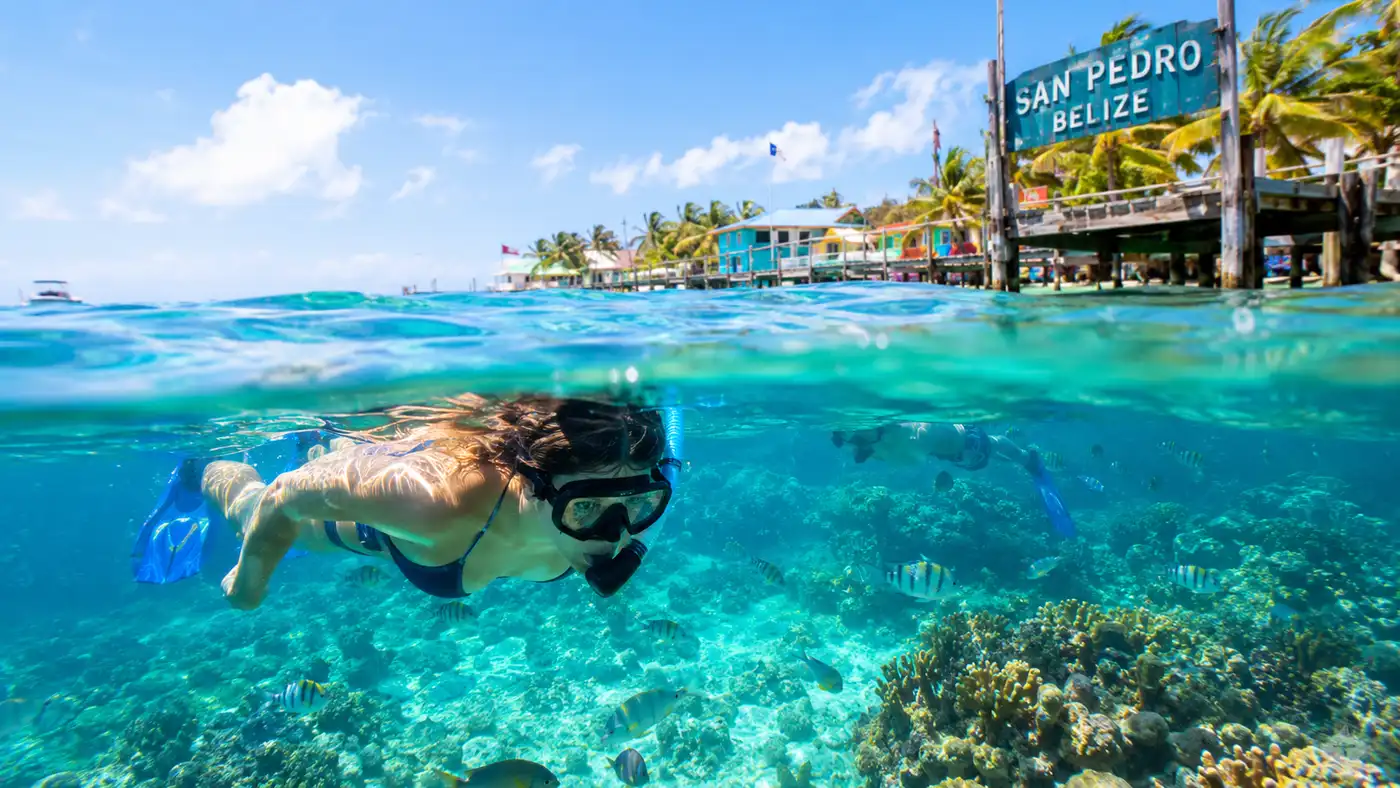
Sun Protection for Snorkelers Reef Safe Sunscreen Guide
You float face-down in crystal water for an hour, mesmerized by parrotfish scraping algae off brain coral, and you forget the sun exists. Water cools your skin down so nicely that you do not feel the tropical UV rays roasting your shoulders and the backs of your calves. By four in the afternoon, you are shivering under a hotel ceiling fan, bright red, smelling like aloe vera gel, and dreading the boat ride tomorrow. Finding a reliable reef safe sunscreen for snorkeling is about saving your skin, but it is just as much about keeping the corals you came to admire alive.
Most travelers grab whatever bottle sits on the shelf at the departure airport. That bottle usually contains chemical filters that bleach fragile polyps and stunt marine larvae. This guide covers how chemical sunscreens interact with coral, which ingredients you should ban from your gear bag, why physical clothing often beats lotion, and how to apply mineral creams so your mask does not slip off your face mid-swim.
Book your snorkeling san pedro belize experience:
Why Finding the Right Reef Safe Sunscreen for Snorkeling Matters
Coral reefs look like colorful rocks, but they are colonies of tiny, living animals. These tiny creatures host microscopic algae called zooxanthellae within their tissues. The algae provide the polyps with food through photosynthesis, and the coral provides shelter. When the water gets toxic or too warm, the stressed coral expels the algae. The colony turns stark white and starves. Scientists estimate around 14,000 tons of sunscreen wash into coral reefs worldwide each year. A terrifying amount of that runoff concentrates around popular snorkel spots where hundreds of tourists jump in every single morning.
Chemical blockers like oxybenzone and octinoxate disrupt coral reproduction. Even at concentrations equivalent to a single drop in six and a half Olympic swimming pools, oxybenzone damages coral DNA. It makes young corals deform and trap themselves inside their own skeletons. If you care about snorkeling etiquette protecting the Belize Barrier Reef, your choice of sun lotion is the first real environmental test you face before your fins ever touch the sea.
Note: Just because a bottle says "reef friendly" in bold green letters on the front does not mean it is safe. The term has zero legal regulation under FDA guidelines, so brands slap it on almost anything.
I have seen tourists float through shallow reef cuts while leaving a visible, iridescent chemical slick on the surface behind them. Fish swim through that oil. The oils settle onto shallow elkhorn coral tips during low tide. The damage builds quietly over seasons until patches of vibrant reef turn into gray, rubble-strewn graveyards.
Reading Labels: What Actually Belongs in Reef Safe Sunscreen for Snorkeling
Marketing departments know eco-conscious labeling sells products. They print pictures of sea turtles on bottles that contain octocrylene or avobenzone. You cannot trust the front of the tube. Turn the bottle around and read the active ingredients box. That small drug facts panel tells the real story.
You want mineral formulas. Specifically, you want non-nano zinc oxide or non-nano titanium dioxide. Mineral blockers sit on top of your epidermis like an opaque shield and reflect UV rays away from your flesh. Chemical blockers sink into your skin and convert UV radiation into heat through chemical reactions. The difference between "nano" and "non-nano" matters immensely for marine life. Nano particles are smaller than 100 nanometers. They are so small that corals, mussels, and sponges ingest them easily, which causes internal cellular stress. Non-nano particles are too large for corals to absorb, making them far safer in marine ecosystems.
Here is what you need to check when scanning product packaging:
- Look for non-nano zinc oxide: this is the gold standard active ingredient that blocks both UVA and UVB rays without poisoning coral polyps.
- Accept titanium dioxide as secondary: it works well alongside zinc, though zinc provides broader protection across the full UVA spectrum.
- Banish the toxic six: avoid oxybenzone, octinoxate, octocrylene, homosalate, 4-methylbenzylidene camphor, and octisalate completely.
- Skip parabens and phenoxyethanol: these preservatives act as antimicrobial agents that can harm the beneficial bacteria colonies living on coral skin.
- Avoid aerosol spray cans: up to 40 percent of spray sunscreen blows away in the sea breeze and settles directly onto the sand, docks, and open water.
Mineral lotions leave a distinct chalky white cast on your skin. People complain about this constantly. Honestly, looking slightly pale for two hours on a dive boat is a tiny price to pay for intact reefs and unburned shoulders.
| Sunscreen Filter | Filter Category | Reef Safety Level | UV Spectrum Covered |
|---|---|---|---|
| Non-nano Zinc Oxide | Mineral / Physical | Safest for reefs | Broad Spectrum (UVA + UVB) |
| Titanium Dioxide | Mineral / Physical | Safe for reefs | UVB and Short UVA |
| Oxybenzone | Chemical Filter | Severe toxic hazard | Broad Spectrum |
| Octinoxate | Chemical Filter | Causes coral bleaching | UVB primarily |
| Avobenzone | Chemical Filter | Moderate reef toxicity | UVA primarily |
Physical Sun Protection Beats Cream Every Single Time
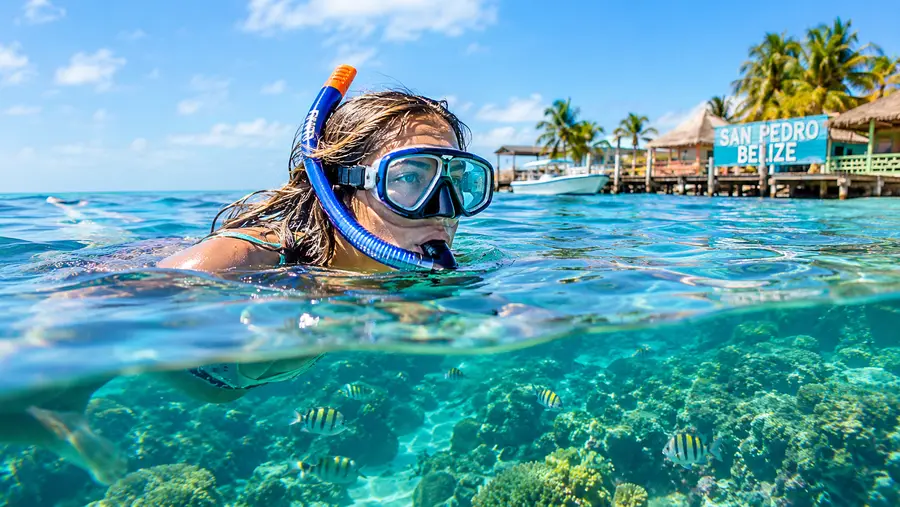
The simplest way to use reef safe sunscreen for snorkeling is to barely use lotion at all. Fabric does not wash off in the sea. Fabric never needs reapplication after 80 minutes of swimming against a current. Fabric does not leak into the water, cloud your mask, or rub off on boat cushions.
Years ago, I bought a long-sleeve UPF 50+ rash guard for $34 before a week-long island trip. That single piece of synthetic shirt saved me at least three bottles of mineral lotion and spared my back from blistered misery. When you lie flat on the surface of the sea, your upper body absorbs relentless light. The water acts like a lens, reflecting and scattering rays onto parts of your body that rarely see daylight back home.
Pair a long-sleeve swim shirt with lightweight surf leggings. Snorkelers laugh at the idea of swimming in pants until they see their own calves after a morning spent drift-snorkeling over seagrass flats. The backs of your knees and the tops of your thighs take the absolute brunt of midday sun. If you wear leggings, you only need to apply sunscreen to the back of your neck, your ears, and your hands. It saves you money, saves you time on the boat, and keeps chemicals entirely out of the marine reserve.
Pro tip: Put your mineral sunscreen on at least 25 minutes before you board the boat, preferably in your room in front of a mirror so you do not get greasy zinc on your mask skirt.
If you are thinking about gear choices, check out this guide on what to pack for a Belize snorkeling trip to figure out which layers work best in tropical water temperatures.
Book your snorkeling san pedro belize experience:
Application Mistakes That Burn Snorkelers Anyway
Even with great lotion, people manage to scorch themselves on simple morning excursions. Mineral cream behaves completely differently from watery supermarket lotions. It is thick, sticky, and clings tenaciously to skin cells. If you do not rub it in firmly, it wipes off on your beach towel five minutes later.
The biggest disaster happens around your face. Zinc oxide is slick and greasy. If you smear lotion around your cheeks, temples, and forehead right before jumping into the ocean, that grease transfers straight onto the silicone seal of your dive mask. The moment silicone meets greasy lotion, the watertight seal breaks. Water trickles in past your nose every 10 seconds. You spend the whole excursion clearing your mask, your eyes sting from sea salt, and you miss the spotted eagle ray cruising beneath the boat.
To avoid this, treat your face with special care:
- Use a mineral stick for your face: solid wax-based mineral sticks apply cleanly without running into your eyes or coating your palms in grease.
- Leave a half-inch clean zone: do not put sunscreen directly where your mask skirt presses against your forehead, cheekbones, and nose bridge.
- Hit the forgotten sliver: the gap between your hair and your mask strap often burns brutally, so dab zinc along your hairline.
- Cover your neck and ear rims: these areas stay pointed toward the sky the entire time you look down through the water.
- Dry off before reapplying: mineral zinc applied to soaking wet skin simply slides off without sticking to the skin surface.
Another classic mistake is trusting water-resistance claims blindly. The label says 80 minutes. That measurement assumes calm, cool pool water. Salt water, friction from boat seats, sweat, and finning through light chop degrade that protective layer much faster. If you come out of the water for surface intervals, pat your skin dry with a towel and reapply immediately.
Local Regulations, Island Prices, and Where to Buy
Destinations across the Caribbean and Central America are waking up to reef conservation. Places like Mexico, Hawaii, the US Virgin Islands, and Bonaire have active bans or strict park rules regarding non-reef-safe chemicals. Marine park rangers in certain reserves will check your bag at the boat dock. If they see standard chemical spray bottles, they will confiscate them or ask you to leave them inside the tour shop.
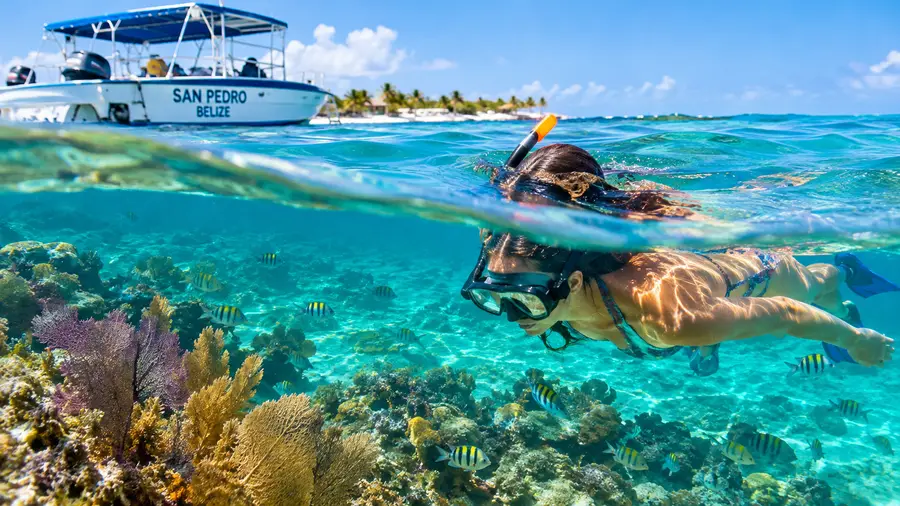
You can buy safe products after landing on Ambergris Caye or Caye Caulker, but you will pay island prices. A standard four-ounce tube of basic mineral sunscreen that costs $14 at home can easily run $26 or $32 in a gift shop on Front Street in San Pedro. Supplies on small cays depend on freight barges from the mainland. If a boat does not run or imports get held up in customs, shelves empty out fast. You might find yourself with only one chemical option on the shelf when the morning tour leaves at 8:30 AM.
Buy two tubes before your flight. Pack them in your checked luggage, or keep smaller three-ounce tubes in your quart-sized carry-on bag. Brands like Raw Elements, Badger, Stream2Sea, and Thinksport make formulas that pass international marine park standards. Stream2Sea even tests their finished lotions directly on live coral and fish species to verify non-toxicity, rather than just testing individual raw ingredients in a sterile lab.
A three-ounce tube goes surprisingly far if you wear a rash guard. When you only need to cover your face, neck, and hands, one tube can easily last two people an entire week of island boat trips.
Frequently Asked Questions about reef safe sunscreen for snorkeling
Can I just use baby sunscreen instead of specialized reef lotion?
Many baby sunscreens rely purely on zinc oxide, which makes them much safer than standard adult chemical lotions. Check the drug facts panel on the back to ensure there are no chemical boosters like octisalate hidden alongside the zinc, and confirm the zinc is non-nano.
Does mineral sunscreen expire or lose potency in hot tropical weather?
Physical blockers like zinc oxide and titanium dioxide do not break down from heat the way delicate chemical filters do. However, the carrier oils and emulsions in the bottle can separate if left baking on a boat deck in 90-degree sun, which makes it harder to spread evenly.
Will reef safe mineral sunscreen stain my rash guard or swimsuit?
Yes, zinc oxide can leave faint white or yellowish streaks on dark fabrics. Rinse your swim shirts in fresh water with a mild dish soap as soon as you get back to your room, which lifts the mineral oils out before they set into the fibers permanently.
Quick Reference
- Non-nano zinc oxide is the safest active ingredient for corals
- Never buy lotions containing oxybenzone or octinoxate
- Long-sleeve UPF rash guards protect better than lotion
- Keep mineral lotions off the silicone seal of your snorkel mask
- Buy sunscreen before traveling to avoid $30 island gift shop prices
Book your snorkeling san pedro belize experience:
Before You Pack
Taking care of our skin under intense tropical sunshine does not require sacrificing the reefs we travel so far to explore. A good rash guard handles 90 percent of your sun exposure without leaving a single drop of residue in the ocean. For the small bits of bare skin left over, a dab of thick, non-nano zinc sunscreen creates an impenetrable barrier that keeps you comfortable and keeps the coral polyps breathing easy below.
Read more about snorkeling san pedro belize.