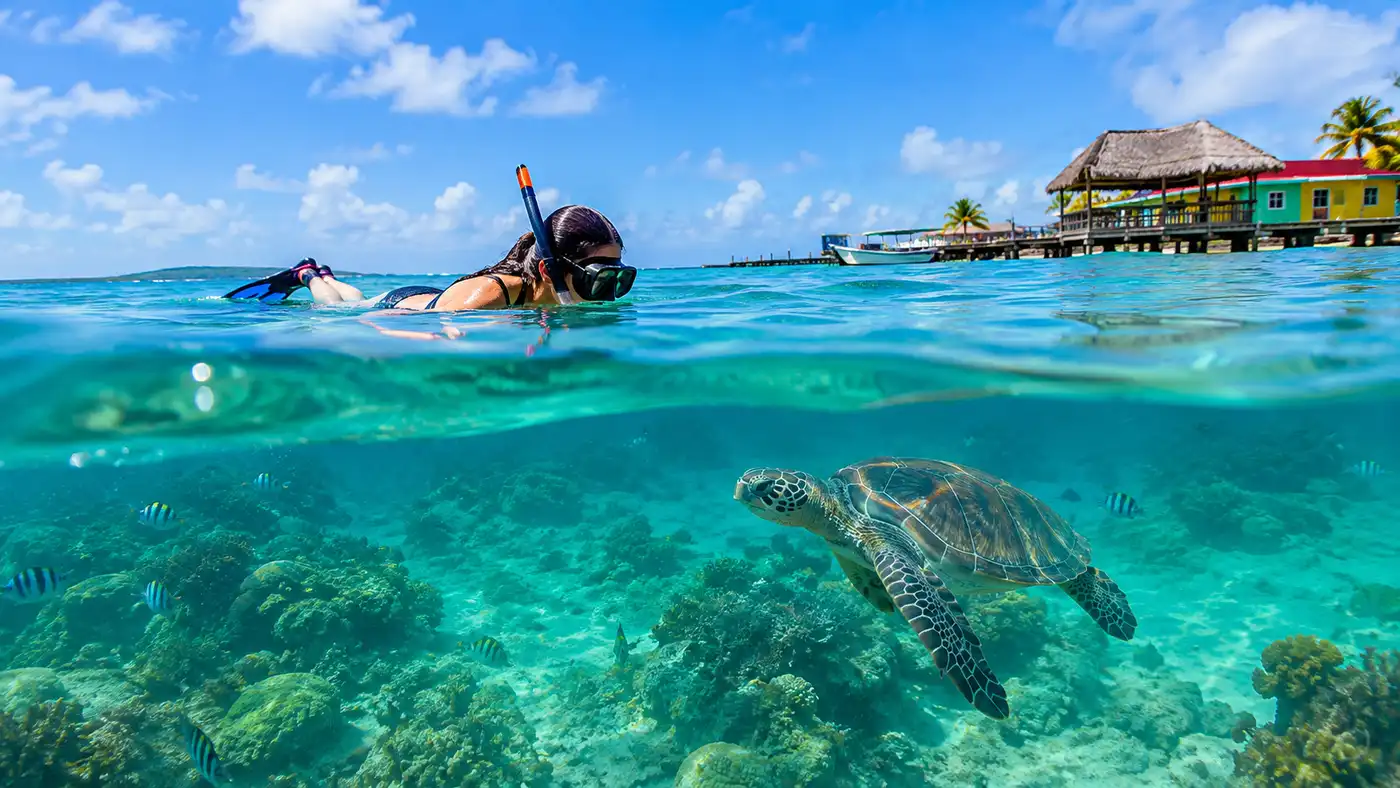
Ultimate Guide to Snorkeling in San Pedro Belize
The boat engine cuts out about four miles south of town, and suddenly the only sound left is water slapping against fiberglass. You spit into your mask, rub it around with a thumb, rinse it over the gunwale, and slide into clear turquoise water that feels like warm bathwater. If you came here looking for world-class marine life, you picked the right island. Doing a proper trip for snorkeling in san pedro belize puts you right on top of the Mesoamerican Barrier Reef, second in size only to Australia's Great Barrier Reef, but sitting much closer to shore.
Most travelers arrive in Ambergris Caye expecting to walk off the sand directly into coral gardens. That is not quite how it works here, though. The reef sits roughly a half-mile to a mile off the eastern coast, which means you need a boat, a licensed guide, and a loose plan. Between negotiating docks, picking morning or afternoon departures, and dodging the cruise ship crowds that motor over from Belize City, there are a few things worth knowing before handing over your cash.
Book your snorkeling san pedro belize experience:
Top Reef Sites for Snorkeling in San Pedro Belize
The barrier reef runs parallel to the entire length of Ambergris Caye. Because of that proximity, boat rides to the best sites are blissfully short. You barely finish securing your fins before the captain tells you to get ready.
Hol Chan Marine Reserve is the crown jewel of Ambergris Caye. Established back in 1987, it is Zone A of a multi-zoned marine park and covers a natural cut in the reef. Because fishing has been banned here for decades, the fish are bold and plentiful. You drop into about 15 to 30 feet of water where green moray eels weave through brain coral, and spotted eagle rays glide right underneath your belly. It can get busy around 10:30 in the morning. When four catamarans drop anchor at the same time, you will kick someone else's fins if you do not watch your spacing.
Just five minutes away sits Shark Ray Alley. Decades ago, local fishermen used this calm area inside the reef to clean their daily catch of conch and snapper. Nurse sharks and southern stingrays learned that the sound of an idling outboard motor meant free scraps. Today, the moment your guide throttles down, dozens of nurse sharks surround the hull. Slipping into the ocean next to an eight-foot shark sounds terrifying until you realize they have zero interest in you. They want the bait sardines your guide might toss. Keep your hands tucked to your chest and let them brush their sandpaper skin past your knees.
If you prefer a calmer, shallower experience with fewer day-trippers, head north instead. You can read our detailed breakdown of Mexico Rocks the quietest snorkel spot in San Pedro to see why it has become such a favorite. It sits off the coast of northern Ambergris Caye, protected by patch reefs. The water rarely exceeds 12 feet, boulder coral heads rise almost to the surface, and juvenile sea turtles often graze on the seagrass beds nearby.
| Snorkel Site | Boat Ride from Town | Water Depth | Marine Highlights | Reserve Fee |
|---|---|---|---|---|
| Hol Chan Cut | 15 minutes | 10 - 30 feet | Eels, eagle rays, big jacks, brain coral | $10 USD |
| Shark Ray Alley | 20 minutes | 6 - 9 feet | Nurse sharks, southern stingrays, horse-eye jacks | Included with Hol Chan |
| Mexico Rocks | 25 minutes | 8 - 14 feet | Staghorn coral, spiny lobsters, sea turtles | $10 USD |
| Tres Cocos | 10 minutes | 10 - 18 feet | Conch, nurse sharks, yellowtail snapper | Free |
Pro tip: Book the 8:00 AM departure instead of the standard 9:30 AM tour. You will share Shark Ray Alley with maybe two other people instead of fifty swimmers from the mainland catamarans.
Booking Snorkeling Tours in San Pedro Belize
Walking down the beachfront in town, you will pass a tour booth every forty paces. Everyone offers roughly the same core trip: a two-and-a-half-hour excursion combining the Hol Chan Shark Ray Alley stops. Prices generally hover around $45 to $55 per person, plus the park entrance fee. Some operators will throw in beat-up rental gear and rum punch on the way back, while others run pristine speedboats with top-tier silicone masks.
I usually avoid the huge booze-cruise catamarans unless I am traveling with a loud group of friends who care more about cheap rum than marine biology. Smaller skiffs holding six to ten snorkelers give you far more time in the water. Your guide actually stays with you, points out hidden seahorses in the fan coral, and watches the drift current so you do not have to fight it on the return swim.
Before you hand over cash at a wooden booth on the beach, ask a few direct questions to make sure you get what you want:
- Group cap: Ask how many guests will be on the boat so you do not end up packed with eighteen people.
- Park fees included: Confirm whether the $10 reserve wristband is part of the quoted ticket price or collected separately.
- Gear condition: Inspect the masks and snorkels on dry land beforehand to avoid cracked mouthpieces or clouded lenses.
- Guide in water: Verify that the guide swims with the group rather than simply watching from the bow.
Most local guides grew up fishing these exact coordinates. When you get a seasoned captain who knows the reef systems intimately, the entire day changes. They can spot a sleeping nurse shark under a coral ledge from fifteen yards away through choppy surface ripples.
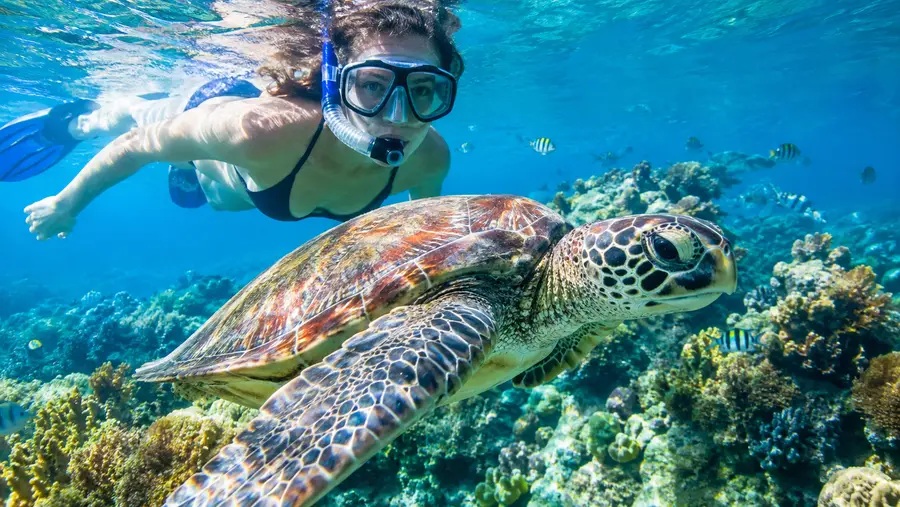
Best Time to Visit Belize for Snorkeling
Belize stays warm all year, with water temperatures lingering between 79 and 84 degrees Fahrenheit. You will rarely need a full wetsuit. A simple rash guard protects your back from the blistering sun and gives just enough thermal buffer if you stay submerged for an hour.
The dry season runs from late November through May. During these months, skies are generally clear and the southeast trade winds remain manageable. March and April tend to offer the best visibility, often exceeding 80 feet out at the reef break. You can look down from the boat surface and count individual black sea urchins wedged into the limestone below.
Summer brings warmer water and occasional flat-calm days where the sea looks like poured glass. June through October is hurricane season, though. Rain does not ruin snorkeling as much as wind does. A heavy downpour drops surface salinity, but wind churns up the shallow sandy bottoms and destroys underwater clarity in a matter of hours.
Note: Northers - cold fronts pushing down from the Gulf of Mexico between December and February - can whip up choppy seas and cancel reef tours for two or three days straight. Keep your travel schedule flexible.
If you get blown out by bad weather, do not despair. The guides usually know tucked-away mangrove lagoons on the leeward side of Ambergris Caye where the water stays flat, even when whitecaps batter the outer reef.
Book your snorkeling san pedro belize experience:
Can You Snorkel from the Shore in San Pedro?
Let us be realistic about the beaches. Ambergris Caye is not Grand Cayman or Aruba. You will not find endless strips of powder-white sand stepping directly into deep, reef-filled water. The shoreline along the playa de san pedro and the town docks is carpeted with thick turtle grass.
Seagrass is essential for the local ecosystem. It feeds manatees, shelters juvenile barracuda, and anchors the sand against tropical storms. But it does make swimming from the shore slightly murky and unappealing for beginners. Boat traffic near the docks is also heavy, meaning swimming without a bright dive flag is genuinely dangerous.
There are exceptions. Some piers at the northern luxury resorts have created artificial mini-reefs by sinking concrete structures and encouraging coral growth around their pilings. You can occasionally jump off the end of a dock at places like Ramon's Village or up north near Secret Beach and spot juvenile snapper, small rays, and hermit crabs. For real coral formations, though, accept that you must take a boat out to the reef crest.
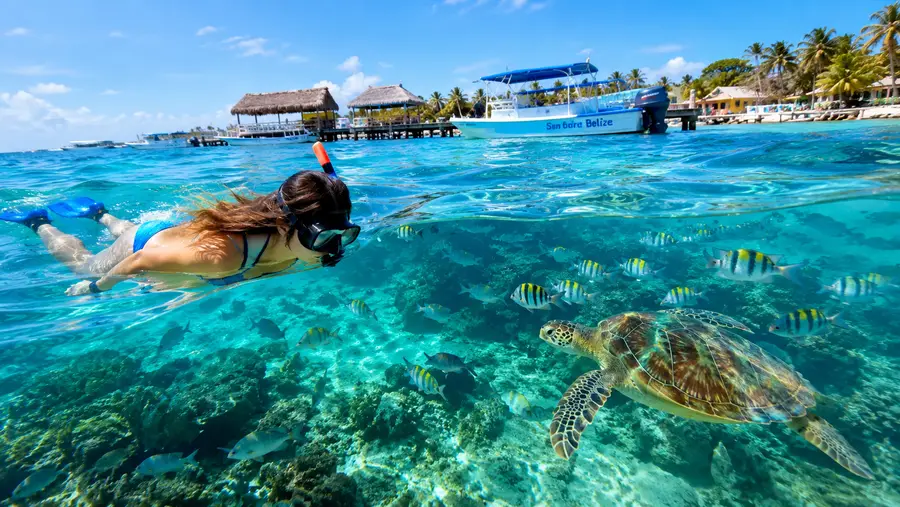
Gear, Reef Etiquette, and Safety
The barrier reef is alive, delicate, and under immense pressure from climate change, coastal development, and clumsy tourists. Standing on a coral head kills decades of growth in three seconds. If you need to rest, roll over onto your back, fill your lungs with air, and float. Do not put your fins down on anything that looks like stone.
A few small packing adjustments make your day on the water much smoother:
- Mineral sunscreen: Standard chemical sunscreens contain oxybenzone, which bleaches coral. Buy zinc-based formulas before landing in Belize.
- Long-sleeve rash guard: You spend two hours floating face-down with your shoulders exposed to blistering equatorial sun. Fabric beats sunscreen every time.
- Defog solution: Baby shampoo mixed with freshwater in a travel spray bottle works better than commercial defoggers.
- Dry bag: Open skiffs take spray over the bow, so keeping your phone and dry clothes inside a sealed sack is mandatory.
Watch out for the fire coral. It looks like mustard-yellow branches with white tips, often coating the edges of rock formations. If you accidentally brush against it with an elbow or knee, it leaves a red, stinging rash that burns for hours. Lime juice or white vinegar helps neutralize the sting if your captain carries a bottle in the first-aid kit.
Currents at the reef cuts can surprise you. At Hol Chan, water rushes through the break in the reef out toward the deep Caribbean abyss when the tide drops. A good guide will evaluate the current and have you drift along with the flow while the boat follows behind to pick everyone up at the other end. Never try to fight that channel current on your own.
Frequently Asked Questions about snorkeling in san pedro belize
Do I need to be a strong swimmer to snorkel in San Pedro?
No, but you should be comfortable floating in deep water. Tour operators provide life jackets, floating belts, and life rings that the guide pulls along. If you get tired, you can hold onto the guide's float ring while still looking down through your mask.
Are the nurse sharks at Shark Ray Alley dangerous?
Nurse sharks are bottom feeders with small mouths and dull teeth. They have no interest in biting humans unless someone actively grabs their tail or tries to ride them. Keep your hands to yourself and enjoy watching them circle peacefully.
Can kids participate in San Pedro snorkeling tours?
Yes, children as young as four or five do well on calm days, especially at Mexico Rocks where the water is shallow and current is minimal. Bring properly fitted youth masks from home, since boat gear is rarely small enough for little faces.
Quick Reference
- Typical half-day tour price: $45 - $55 USD
- Marine park entrance fee: $10 USD per site
- Average boat ride to reef: 15 to 25 minutes
- Best visibility window: March through May
Book your snorkeling san pedro belize experience:
My Take on San Pedro Snorkeling
You can find fancier hotels and wider sand beaches elsewhere in the Caribbean, but very few places put you on an ancient, thriving barrier reef inside a twenty-minute boat ride. Take the early morning tour, listen to your guide, do not touch the coral, and let the warm turquoise tide carry you over the ray beds. It will easily end up being the best morning of your entire Belize vacation.
Read more about snorkeling san pedro belize.