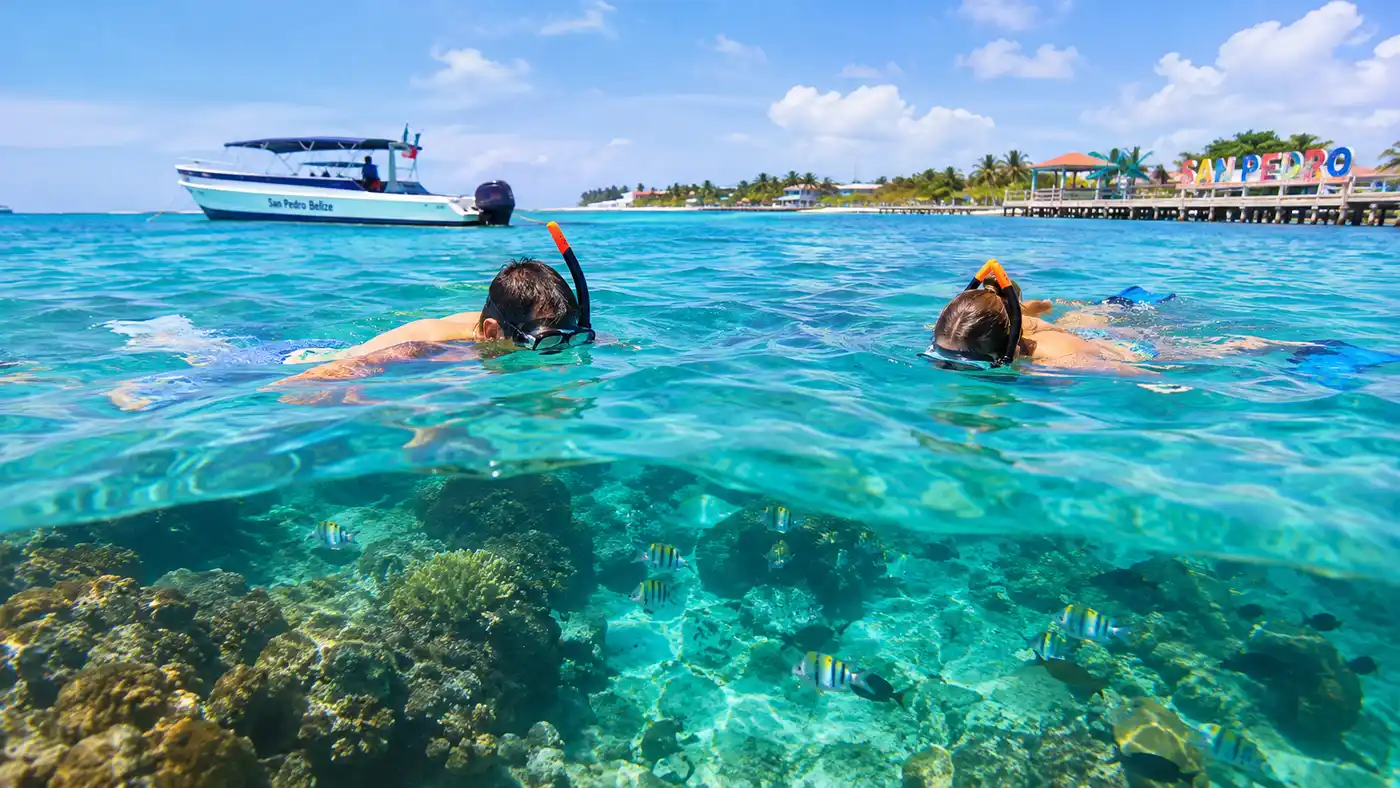
Weather Guide When to Cancel Your Snorkel Trip
You wake up in San Pedro, step onto the balcony, and the sky looks like bruised slate. It hurts, especially when you spent good money and waited months to see the reef. Figuring out whether belize weather for snorkeling is actually safe or just slightly gloomy can be tricky, because the tropics rarely follow your phone app. Rain in town does not always mean rain two miles out at the reef cut, but high winds will turn paradise into a washing machine fast.
Most boat captains will take you out if they legally can, which means the final call often rests on your own gut and comfort level. I have bobbed around in chop so rough that half our group vomited through their masks, and I have also floated through glassy water during an afternoon drizzle that felt magical. Here is how to read the clouds, the wind meters, and the water so you know exactly when to pull the plug on your excursion.
Book your snorkeling san pedro belize experience:
Reading the Wind and Water: Belize Weather for Snorkeling
Wind is the real enemy out here, not rain. When tourists look out at grey skies and panic, local guides just check the palm trees. If the fronds are rustling gently, you are usually golden. If the trunks are bending and the lagoon side of the island has whitecaps, you are in for a miserable afternoon. A sustained breeze over 16 knots kicks up sand from the seabed, dropping visibility from an endless sixty feet down to a murky ten. Raindrops hit your back, but wind stirs the bottom.
The reef system acts as a massive breakwater, keeping the inside waters relatively calm under normal conditions. Once wind pushes past 20 knots, waves crash over the barrier and turn the channel into an unsettling conveyor belt. The current rips through the cuts at places like Hol Chan, making swimming exhaustingly hard. If you are debating between an inside-reef site and going out deeper, our guide on Mexico Rocks the Quietest Snorkel Spot in San Pedro shows why sheltered shallows handle breeze much better than open channels.
Pro tip: Check Windguru Ambergris Caye around 6:30 AM rather than the standard iPhone weather widget. Look at wave period, not just wave height, because anything under 5 seconds means jarring, choppy seas.
Choppy water also forces you to suck in saltwater through your purge valve every third breath. It ruins the serenity of watching stingrays glide across the grass flats. If you suffer from motion sickness even slightly, rough surface conditions guarantee nausea before you even touch the ladder.
Rain, Cloud Cover, and That Sudden Storm Snorkel Decision
Tropical squalls blow through fast. You might get drenched for 12 minutes while loading gear on the dock, only for the sun to blaze fifteen minutes later. Snorkeling in warm rain is actually fine, sometimes even fun, because fish do not care that it is wet outside. However, thick overcast skews the light underwater. Corals lose their neon purples and yellows without sunlight, fading into dull brownish-grey mounds.
A true storm snorkel is different and genuinely dangerous. If you hear thunder or see lightning flashes anywhere on the horizon, cancel immediately or demand the captain turn around. Being the tallest object in open water while breathing through a plastic tube during an electrical storm is foolish. Local captains sometimes push their luck to keep tips and tour fees, but lightning travels miles ahead of the actual rain column.
Note: Belize Port Authority rarely closes the reef to boats for moderate rain, so do not assume an open harbor means smooth sailing or crystal-clear visibility.
Sudden squalls bring microbursts of heavy wind that can shove a drift snorkeler hundreds of yards from their boat in five minutes. When you swim along the reef, staying visually locked to your vessel is essential. If dense squall bands wipe out horizontal visibility across the surface, your guide cannot see your head in the swells.
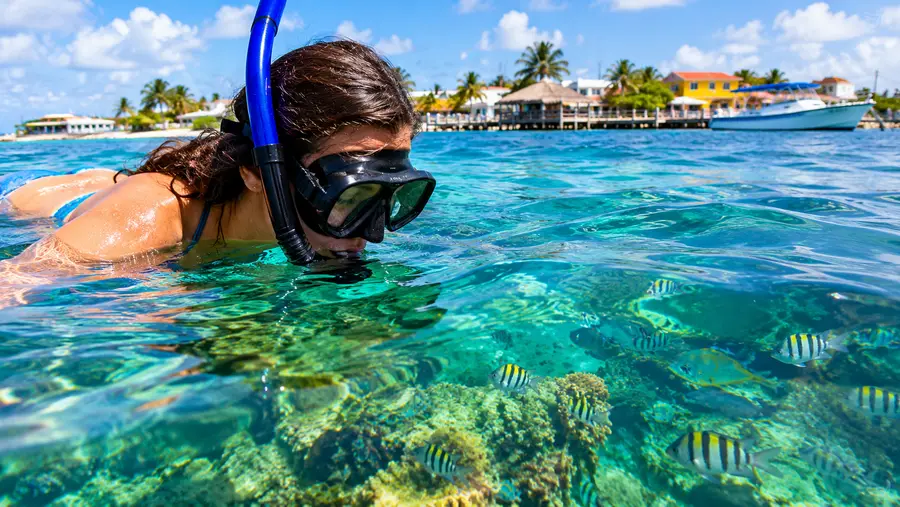
Seasonal Shifts: Finding the Best Time to Snorkel in Belize
Every season has quirks, and Ambergris Caye sits right in the crosshairs of Caribbean weather patterns. Knowing the general climate helps you manage expectations before booking non-refundable boat charters. You can dive deep into seasonal calendars with our piece on the Best Time of Year for Snorkeling in Ambergris Caye, but the basic rhythm breaks down predictably across the year.
| Season | Months | Average Wind | Water Visibility | Cancel Risk |
|---|---|---|---|---|
| Dry & Breezy | Feb - Apr | 14-18 knots | 50-80 ft | Low to Moderate |
| Calm & Hot | May - Jul | 7-12 knots | 80-100 ft | Very Low |
| Wet / Hurricane | Aug - Oct | 8-22 knots (variable) | 30-70 ft | Moderate to High |
| Cold Fronts (Northers) | Nov - Jan | 15-25 knots | 40-60 ft | High (spikes) |
Winter brings cold fronts known locally as "Northers." These fronts swing winds around from the north-northwest, turning the normally sheltered lagoon side rough and dropping air temperatures down to 68 degrees. It sounds silly to worry about the cold in Central America, but hopping out of 78-degree water into a 20-knot wind leaves people shivering hard. It is far from the freezing shock of snorkeling in snow up north, but tropical hypothermia is surprisingly real when you are soaked in the wind.
Summer offers the glassiest seas you will ever witness. July mornings often look like liquid turquoise plastic, perfect for small kids and nervous swimmers. The tradeoff is humidity and afternoon squalls that pop up out of nowhere, dumping buckets for twenty minutes before clearing up.
Book your snorkeling san pedro belize experience:
When to Pull the Plug: Concrete Red Flags
Deciding to bail can be awkward when three other tourists on the dock look ready to go. You have to be willing to advocate for your own comfort and safety. Here are the specific conditions where I will always reschedule or forfeit my deposit rather than suffer through a miserable morning on the water:
- Sustained winds over 18 knots: Surface chop makes breathing stressful, causes immediate boat sickness, and turns the bottom sediment into milky soup.
- Visible lightning within five miles: Metal boat ladders, open water, and electrical strikes create genuine hazard that no reef view justifies.
- Strong incoming "Norther" fronts: North winds churn the reef channels, dropping water temps and making the boat ride back soaking wet and freezing.
- Harbor warnings from Port Authority: If water taxis stop running between Belize City and San Pedro, under no circumstances should you venture past the reef cut.
- Guide hesitation: If your captain mutters about the weather while loading the fuel tank, take the hint and ask to move to tomorrow.
Trust that inner voice. If walking down the dock feels like battling a gale, swimming outside the reef barrier will not be relaxing. Even if the captain says it is fine, remember that guides have spent thirty years navigating these waves; what feels ordinary to them can terrify an occasional vacationer.
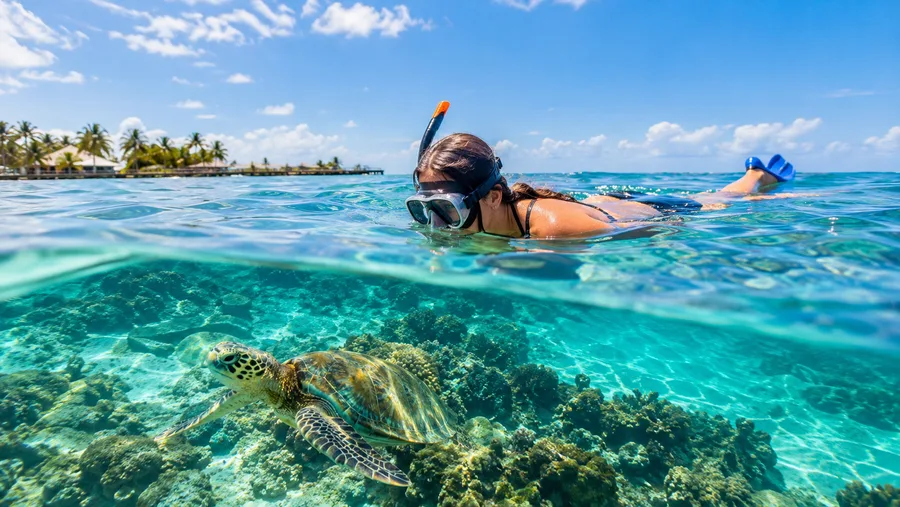
Tools and Tricks for Tracking Local Conditions
Generic phone apps rely on satellite models based hundred of miles away, completely missing the micro-climates around the barrier islands. To make an informed call, use the tools local divemasters rely on each dawn. I check the Belize National Meteorological Service radar composite first, which shows heavy rain bands sweeping across from the Gulf of Honduras.
Next comes Windguru Ambergris Caye, specifically the forecast model for wind gusts and wave direction. A wind blowing directly east hits the barrier reef head-on, creating huge surf. A southeast wind is slightly kinder, while a rare west wind makes the reef side calm but kicks up mud in the shallow leeward flats. Many international travelers visiting for 스노쿨링 look solely at rain percentages, which tell you almost nothing about sea state.
- Windguru Ambergris Caye: The gold standard for knot speed, wave period, and accurate directional changes across the barrier reef.
- Belize National Meteorological Service: Excellent for tracking seasonal tropical depressions and official small craft warnings.
- Live resort webcams: Check cameras on beachfront docks facing east to see whether surf is breaking white across the reef crest.
If you see massive white foam tumbling over the reef line from the beach, stay on land. That white water means several feet of surge rolling through the shallow coral formations, which makes staying off fire coral nearly impossible.
Frequently Asked Questions about belize weather for snorkeling
Can you snorkel in the rain in San Pedro?
Yes, light to moderate rain does not affect safety or sealife behavior. You get wet anyway, and sea temperatures hover between 79 and 84 degrees year-round. Only cancel if the rain brings heavy wind, zero visibility, or thunder and lightning.
What is the windiest month in Belize for water sports?
March and April tend to have the strongest consistent trade winds, often blowing 15 to 20 knots daily. While great for kitesurfing, it creates noticeable chop outside the reef, making calm morning departures critical.
Will tour operators refund me if bad weather cancels my trip?
Legitimate tour shops in San Pedro will reschedule you for the following day or issue a full refund if they cancel due to unsafe sea conditions. If you cancel on your own without weather warnings, policies vary wildly, so ask at booking.
Quick Reference
- Wind matters vastly more than cloud cover or rain
- Cancel immediately if lightning flashes within sight
- 18+ knots turns visibility cloudy and causes seasickness
- Windguru Ambergris Caye gives the truest local forecast
- Summer brings the calmest seas despite tropical storm risks
Book your snorkeling san pedro belize experience:
Before You Go
Losing a scheduled tour day to high waves stings, but forcing a bad trip leaves you bruised, seasick, and staring at murky water instead of sea turtles. Keep a flexible itinerary with a spare buffer day so you can bump your booking when conditions look sour. Walk down to the beach at sunrise, talk directly to the boatmen drinking coffee on the pier, and make your decision based on the water in front of you rather than a weather app thousands of miles away.
Read more about snorkeling san pedro belize.